

As global consumers continue to prioritize wellness, clean ingredients, and natural functionality, Sencha has become an increasingly attractive option for brands developing health-conscious products.
This versatile Japanese green tea is valued not only for its refreshing flavor but also for its strong antioxidant profile and broad application potential.
For a deeper overview of Sencha, you may also refer to our article “The World of Sencha: An Introduction to Japan’s Quintessential Green Tea.”
Sencha provides a natural combination of antioxidants, gentle caffeine levels, and a clean, refreshing taste that fits seamlessly into modern wellness trends. Consumers increasingly associate Japanese green tea with authenticity, purity, and functional benefits—attributes that elevate product credibility.
Our article “Matcha vs Sencha: Understanding the Differences and Benefits for Your Business” compares each tea’s role in wellness-oriented applications.
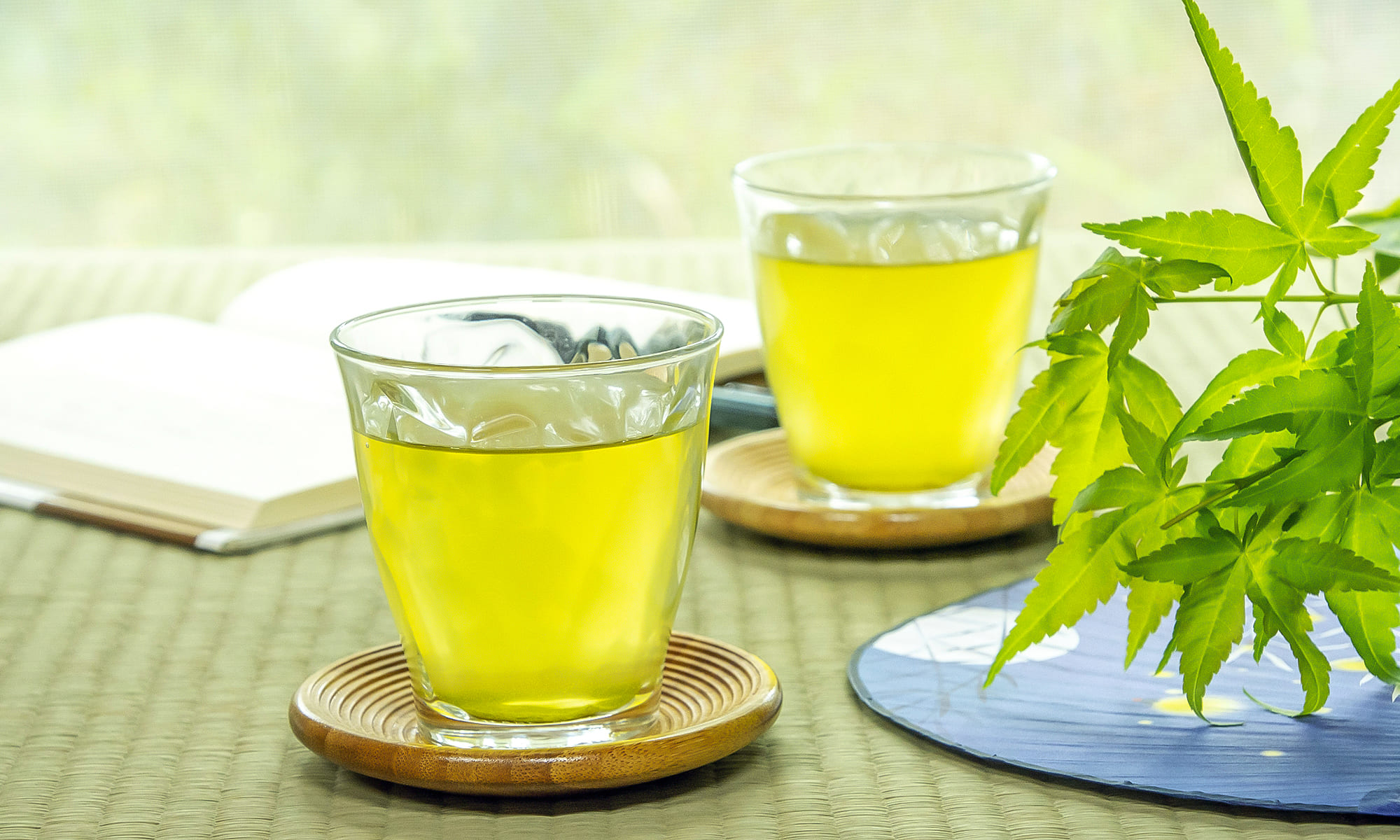
Sencha contains catechins—especially EGCG—which support cellular health, immunity, and anti-fatigue functions. These characteristics make Sencha an appealing ingredient for wellness beverages, nutritional powders, and functional snacks.
If you’re exploring tea ingredients for health benefits, our post “9 Surprising Health Benefits of Hojicha” also offers perspectives on antioxidant-rich Japanese teas.
Sencha offers a moderate caffeine level that supports focus without overstimulation, making it ideal for daily-use wellness products. Compared to coffee or highly caffeinated energy ingredients, Sencha aligns well with the growing demand for gentle, sustained energy sources.
For low-caffeine options used in evening or relaxing products, you may find our article “Low-Caffeine Teas: Why Hojicha Is a Perfect Evening Drink” relevant.

Sencha’s bright, refreshing profile blends well with citrus, mint, berries, botanical extracts, dairy bases, and plant-based beverages. Its clean taste makes it suitable for beverages where clarity and natural flavor expression matter.
For comparisons of flavor character across tea types, our article “Hojicha vs Sencha: A Comparative Guide to Japan’s Beloved Green Teas” provides additional insights.
Sencha is easy to integrate into powders, liquids, concentrates, ready-to-drink formats, frozen applications, and baked goods. This adaptability makes it a preferred choice for brands seeking flexibility during product development.
To see how Japanese tea supports diverse product types, you can also read “Trends in Tea: How Japanese Green Tea Is Shaping the Food and Beverage Industries.”
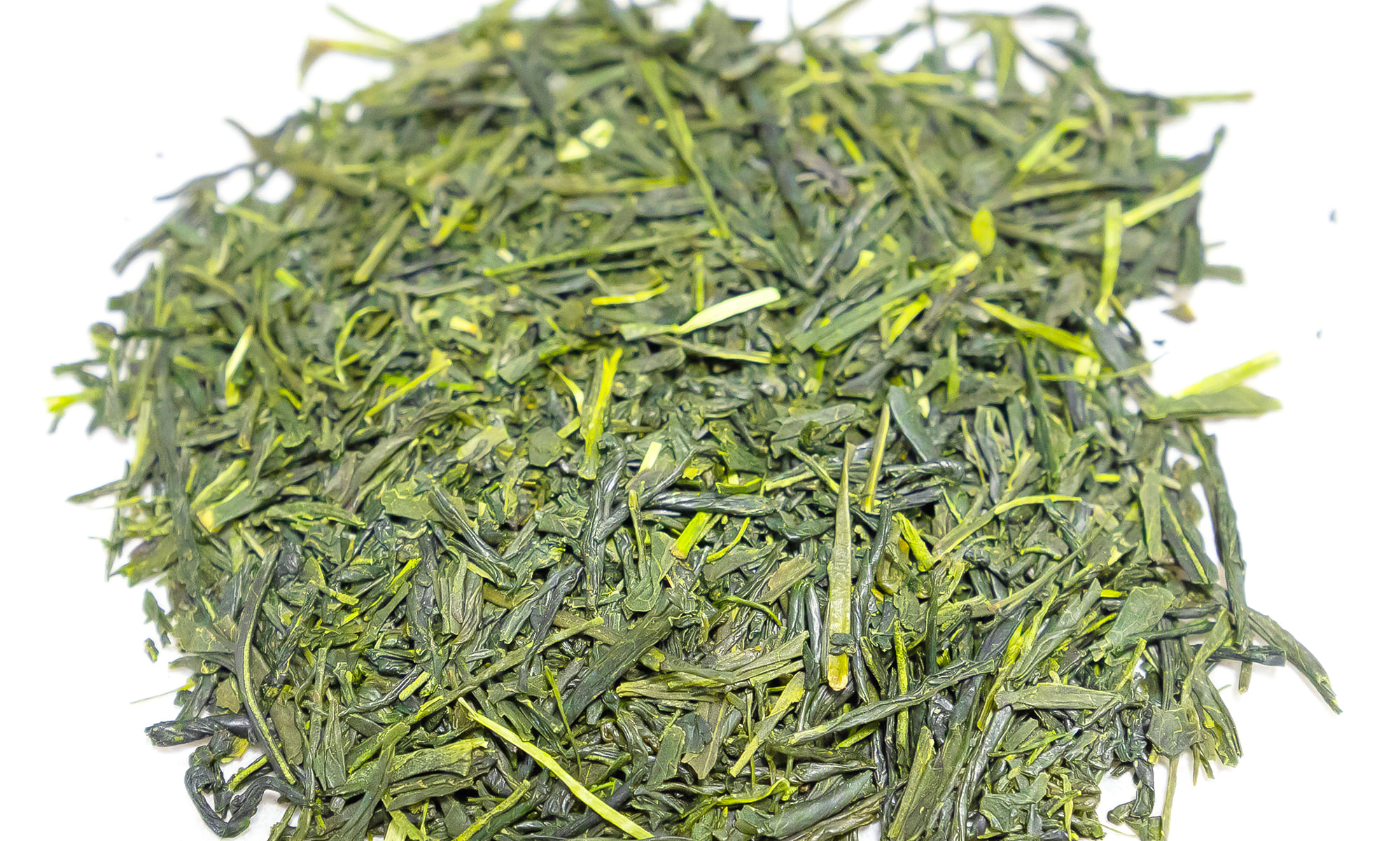
Globally, shoppers are prioritizing transparency, clean labels, and ingredients with clear natural origins. Sencha fits these expectations because it is minimally processed, plant-based, and widely recognized for its purity and authenticity.
Our post “Navigating the Bulk Japanese Green Tea Market” also discusses how buyers can evaluate natural tea ingredients and suppliers.
As wellness continues to influence consumer purchasing behavior, Sencha has become a high-value ingredient for brands seeking clean, functional, and versatile tea components. Its strong antioxidant profile, refreshing taste, and flexible formulation compatibility make it ideal for next-generation food, beverage, and supplement products.
To explore more about how Sencha can elevate your product line, you may also read our article “How Sencha Is Transforming Wellness Products: A Guide for Health-Focused Brands.”


Articles providing insights into Japanese green tea and topics related to it.


