
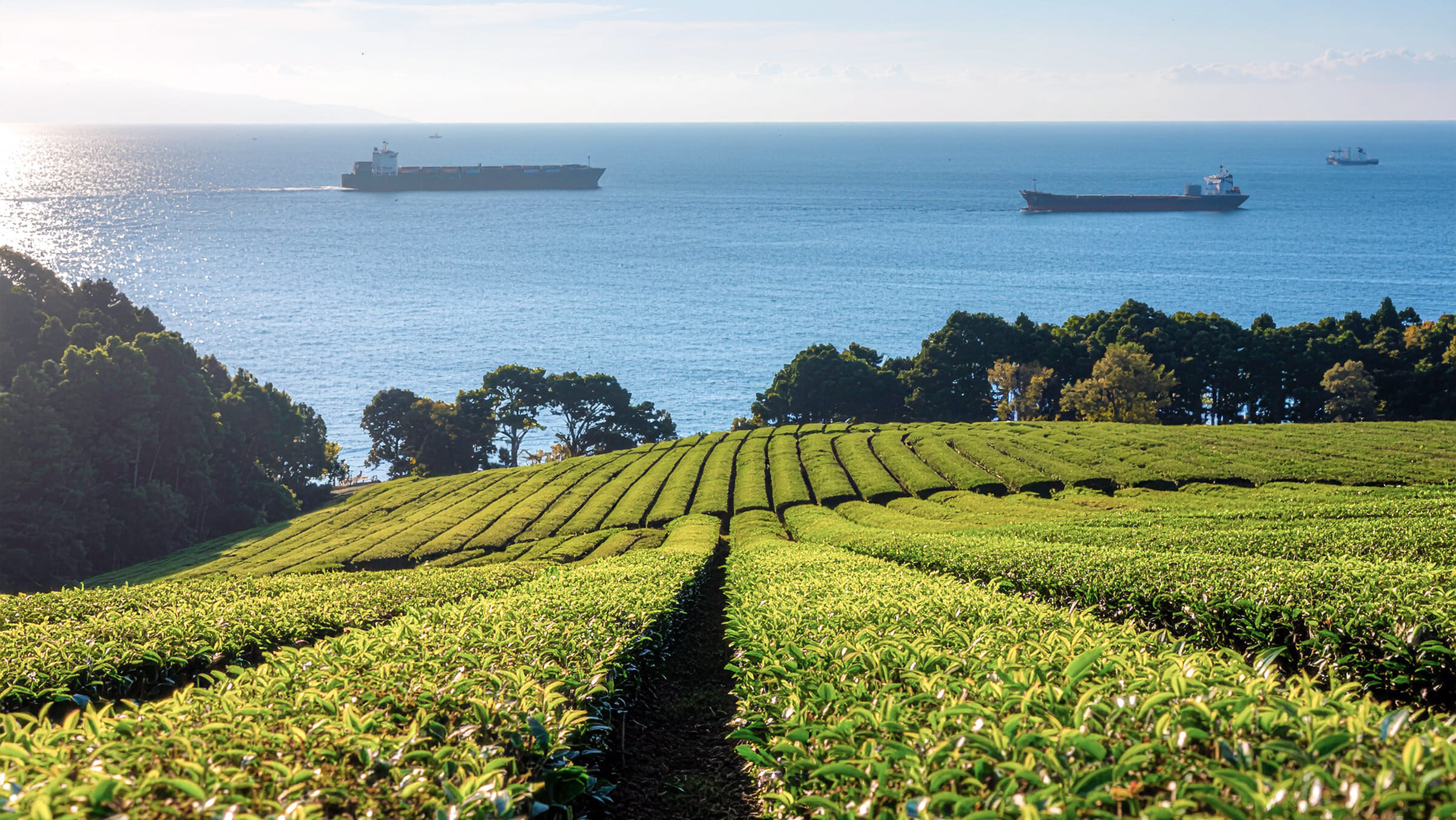
As global demand for Japanese tea continues to grow, more food and beverage manufacturers are sourcing Matcha, Hojicha, and Sencha from suppliers around the world. But with this growing market comes a challenge: ensuring consistent quality. For businesses developing new products, ingredient quality directly affects flavor, color, aroma, and ultimately consumer satisfaction.
To support buyers navigating this complex landscape, this guide breaks down what food businesses should evaluate when sourcing tea on a global scale—and how to ensure consistent product quality across all applications.
When tea is sourced internationally, the supply chain becomes longer and more complex. Factors such as climate, soil conditions, production standards, and storage methods vary significantly between regions. Without proper quality control, businesses may face inconsistencies that affect taste, color, grind size (for Matcha), or roast profile (for Hojicha).
For brands positioning themselves as premium-quality or health-focused, these variations can damage trust with end customers.
Below are the most important quality checkpoints when sourcing tea globally as a B2B buyer.
Knowing exactly where and how your tea is produced is essential. Reliable suppliers provide clear information about cultivation methods, harvest timing, processing techniques, and packaging standards.
Many businesses now prefer Japanese suppliers specifically because processing, roasting, packaging, and quality checks are all conducted domestically under strict standards.
To understand how roasting affects flavor, readers may also find the article “Hojicha: From Traditional Tea to Modern Culinary Ingredient” helpful.

For large-scale production, consistency is everything. Small variations in tea leaves can create noticeable differences in finished products like beverages, baked goods, ice cream, or seasonings.
Suppliers who use standardized processing systems and conduct batch-by-batch evaluations can deliver the stability businesses need.
The article “Matcha vs Sencha: Understanding the Differences and Benefits for Your Business” provides useful insight into how different teas behave in product development.
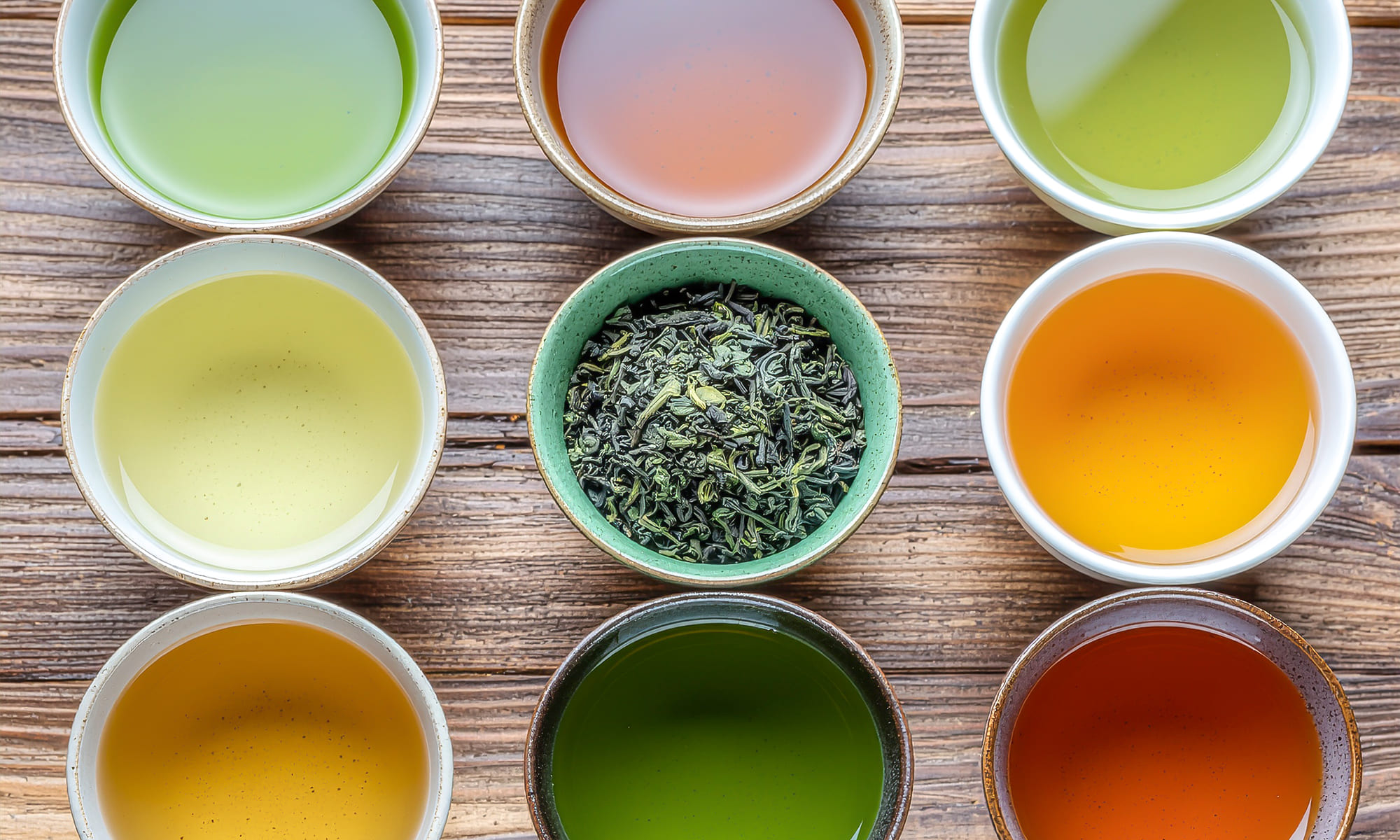
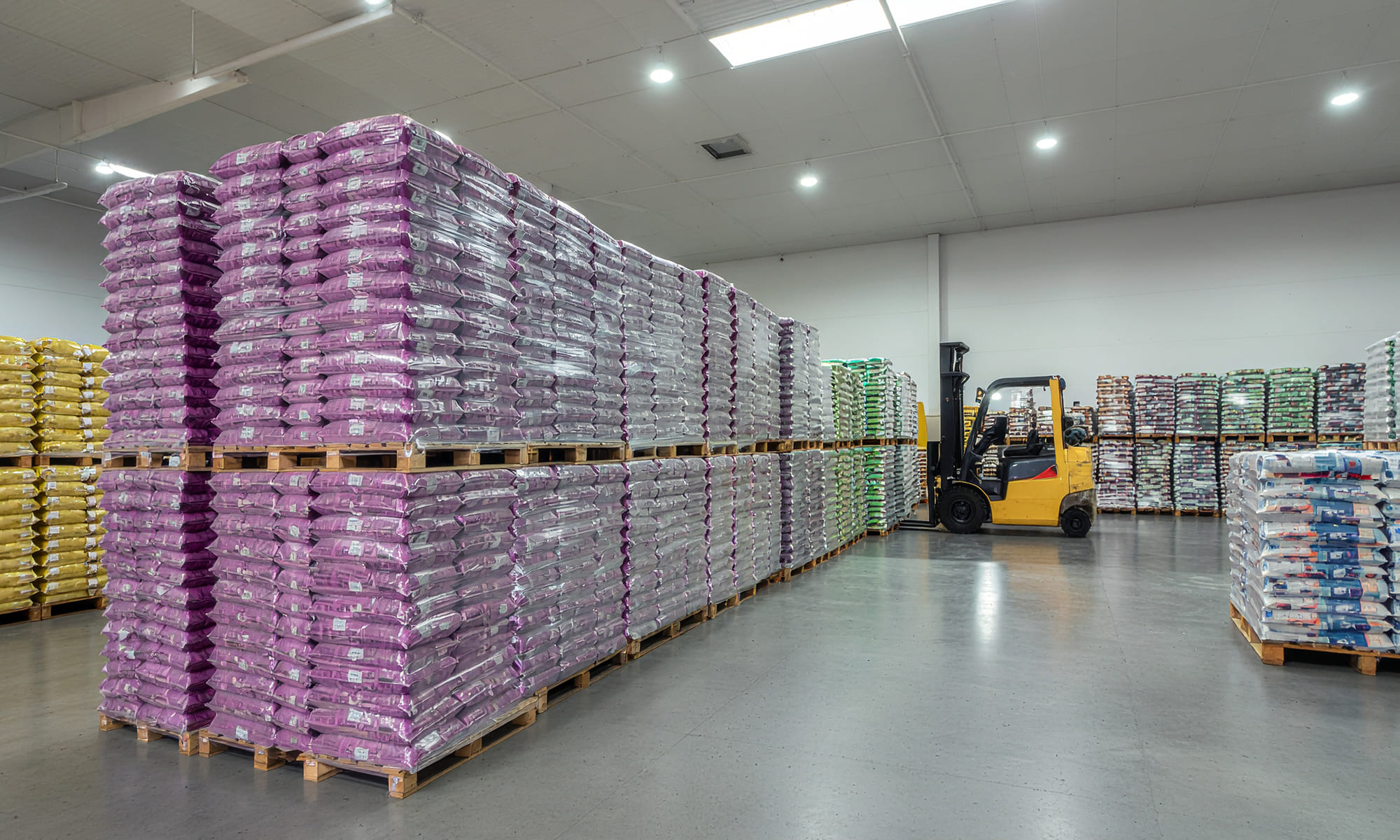
Tea quality can degrade quickly if exposed to oxygen, humidity, heat, or light. For international shipping, airtight packaging and temperature control become even more important. Businesses should check that suppliers follow modern storage standards and use packaging designed to preserve freshness during long-distance transport.
Food manufacturers must ensure that ingredients meet international safety expectations. Certifications such as ISO 22000 or organic certification (like Organic JAS) add a valuable layer of credibility.
Kametani, for example, maintains ISO 22000 and Organic JAS certifications, reflecting their commitment to safe and reliable production.

Not all tea suppliers understand how ingredients behave in commercial kitchens or factory-scale production. Businesses should work with partners who understand food development, extraction behavior, blending, and other application-specific requirements.
Experienced suppliers can offer optimized grind sizes for Matcha, custom roast levels for Hojicha, or tailored blends for beverages—supporting smoother development cycles.
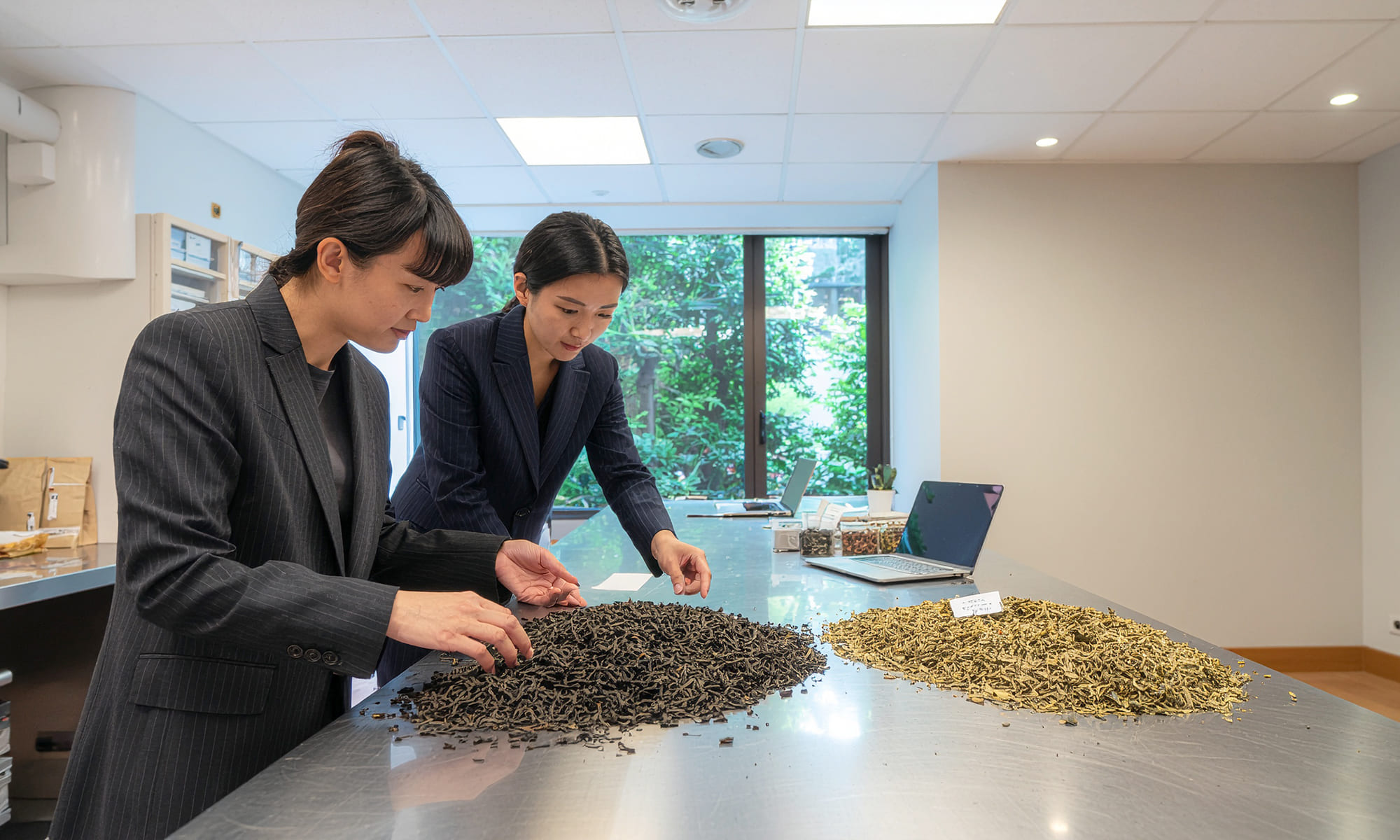
Even though global sourcing is possible, many international companies choose Japanese partners to guarantee quality, especially for professional food applications. Japan’s tea producers follow precise production standards that ensure reliability, freshness, and stability.
This reliability is especially important for companies creating products where flavor consistency is mandatory.
Kametani’s extensive expertise in bulk supply, custom blending, and culinary applications enables global buyers to maintain consistent product quality across regions. For businesses looking for reliable and application-ready Japanese tea ingredients, working with a specialist supplier makes all the difference.
Global tea sourcing offers exciting opportunities, but maintaining consistent quality requires careful supplier selection, reliable certifications, and a deep understanding of how tea behaves in food applications. With the right partner, businesses can confidently develop products that meet high standards and resonate with consumers worldwide.


Articles providing insights into Japanese green tea and topics related to it.


