

Hojicha is increasingly used in food and beverage product development worldwide. From cafés and bakeries to RTD beverages and wellness formulations, hojicha has evolved from a traditional tea into a versatile functional ingredient.
When incorporating hojicha into a product, one key decision arises: should you use hojicha powder or loose leaf? Each format offers distinct advantages depending on your application, production process, and brand positioning.
For businesses new to hojicha as an ingredient, our article “Exploring Hojicha: A Toasty Twist on Traditional Green Tea” provides a foundational overview.
Hojicha powder is finely milled roasted green tea, designed for seamless integration into food and beverage formulations. It disperses evenly into liquids and blends smoothly into batters, creams, and sauces.
Because it becomes part of the formulation itself, hojicha powder delivers consistent flavor, aroma, and color across every serving. This makes it ideal for large-scale production.
If consistency and scalability are central to your strategy, insights from “Navigating the Bulk Japanese Green Tea Market” may also be helpful.
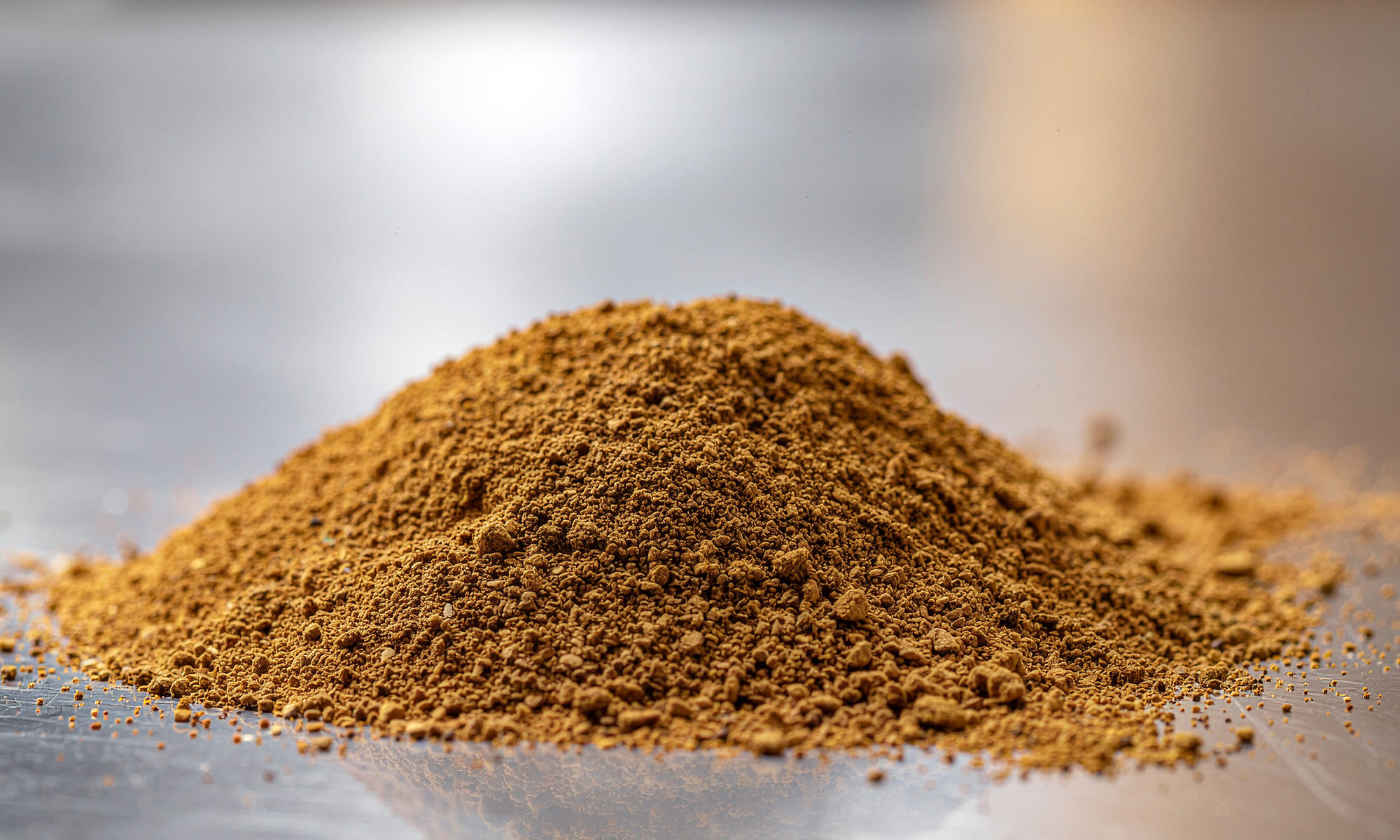
While matcha is widely recognized globally, hojicha powder is still relatively underutilized outside Japan.In Japan, however, it is used across a range of applications, including:
For example, hojicha is increasingly used in beverage formulations that focus on both flavor and health benefits, as explored in our article “Antioxidant-Rich Hojicha for Healthy Drinks.”
In addition, hojicha is increasingly explored in non-food applications such as bath soaks and skincare products, reflecting its gentle properties and growing role in wellness.
Its mild roasted flavor and smooth integration make it a versatile ingredient in both food and beverage development.
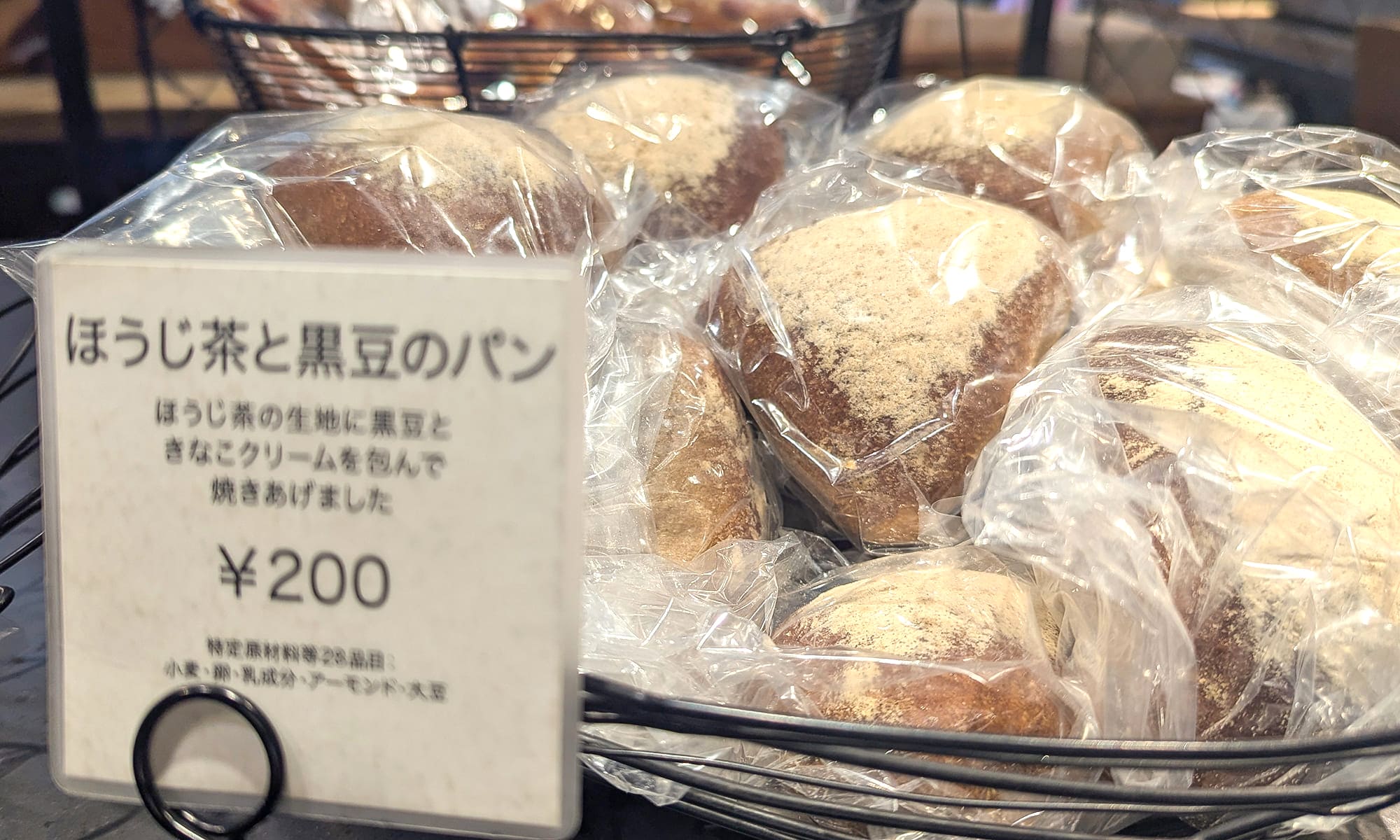
Hojicha and Black Soybean Bread
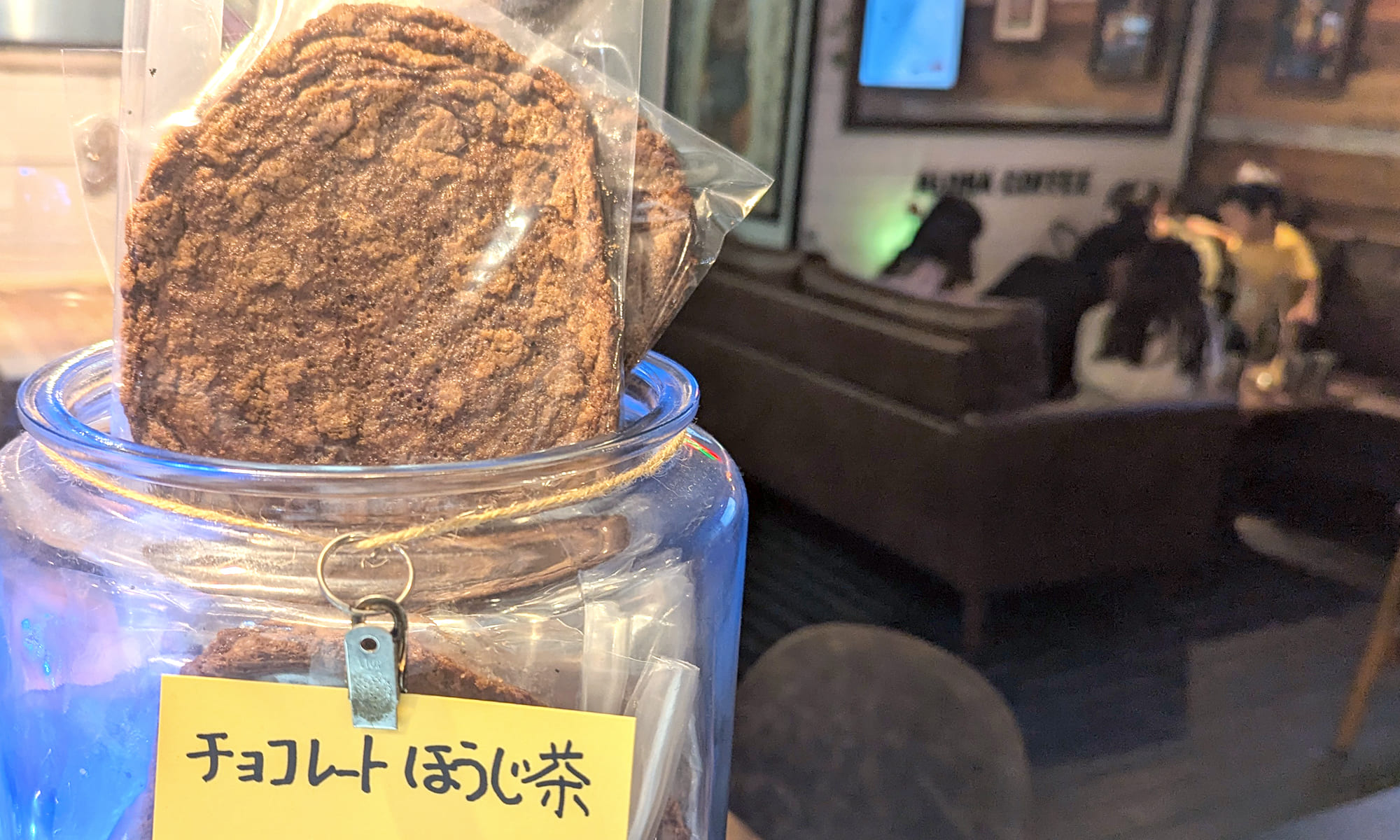
Hojicha-Flavored Chocolate
Loose leaf hojicha consists of roasted tea leaves or stems intended for infusion. It is commonly used in bottled beverages, tea bags, and cold-brew applications.
Because flavor is extracted rather than blended, loose leaf hojicha offers control over strength and extraction time. This can be advantageous for beverage developers.
For a deeper look at how roasting influences flavor, see “The Science of Tea Roasting: How Hojicha Achieves Its Unique Flavor Profile.”

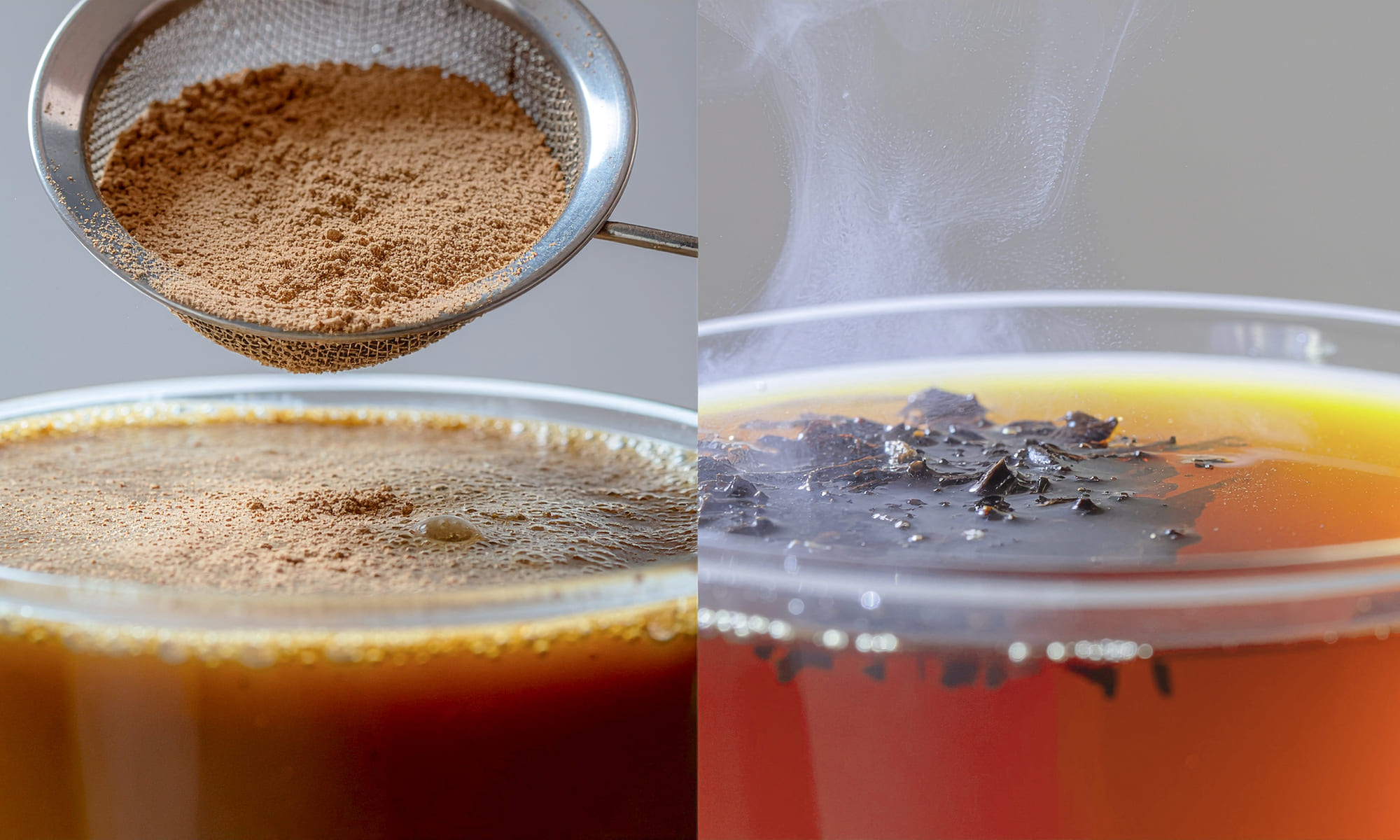
Hojicha powder becomes part of the product matrix, while loose leaf hojicha requires an extraction step before use. Powder works well in baked goods, ice cream, sauces, and smoothies. Loose leaf excels in RTD beverages and infusion-based drinks.
Powder provides visible color throughout the product, creating a distinctive roasted green tea identity. Loose leaf influences flavor more than appearance, unless the infusion itself is showcased.
Powder eliminates an extraction step, simplifying production lines.Loose leaf requires brewing infrastructure but may reduce raw material cost per batch depending on formulation.
The answer depends on your product category, production scale, and technical capabilities. If you require color integration, stable formulation, and simplified production, hojicha powder may be the better choice. If your product relies on infusion-based flavor profiles or traditional tea positioning, loose leaf hojicha may be more suitable.
For broader insights into hojicha’s growing market role, see “Hojicha in Global Markets: How This Unique Tea is Capturing International Attention.”
Whether you choose powder or loose leaf, consistent quality and roasting expertise remain critical. A supplier who understands B2B requirements — bulk supply, quality control, and long-term stability — can support your product development more effectively than one focused only on price.
For more on selecting reliable partners, you may also find “How to Source High-Quality Hojicha for Your Food and Beverage Business” helpful.
Hojicha is more than a tea — it is a strategic ingredient. Choosing the right format ensures it performs optimally in your product innovation journey.


Articles providing insights into Japanese green tea and topics related to it.


