
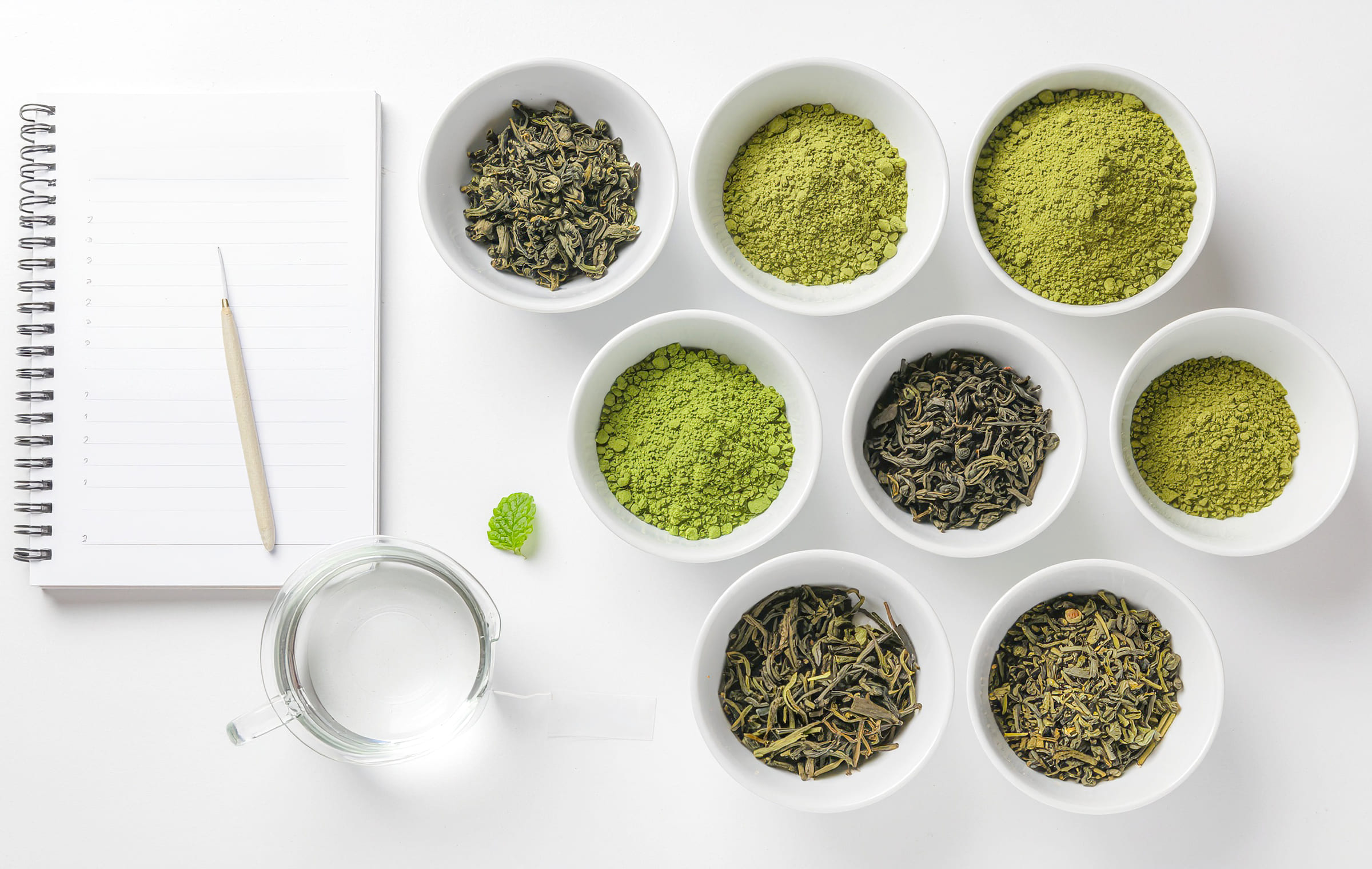
When sourcing Japanese tea ingredients for products—whether for beverages, confectionery, supplements, or foodservice—sampling is one of the most important steps in the purchasing process. A structured evaluation helps businesses compare suppliers objectively and choose teas that meet their quality, consistency, and production needs.
For an overview of how Japanese tea varieties differ, you can also read our post “The 5 Main Types of Japanese Green Tea.”
Different applications require different qualities. A tea that works perfectly for beverages may not be suitable for baked goods or dairy products. Before evaluating samples, define the requirements based on your product category.
Our article “High-Quality Hojicha for Food and Beverage Development: Unlocking New Possibilities” explores how tea ingredients behave in different applications.
Examples of application-specific needs:
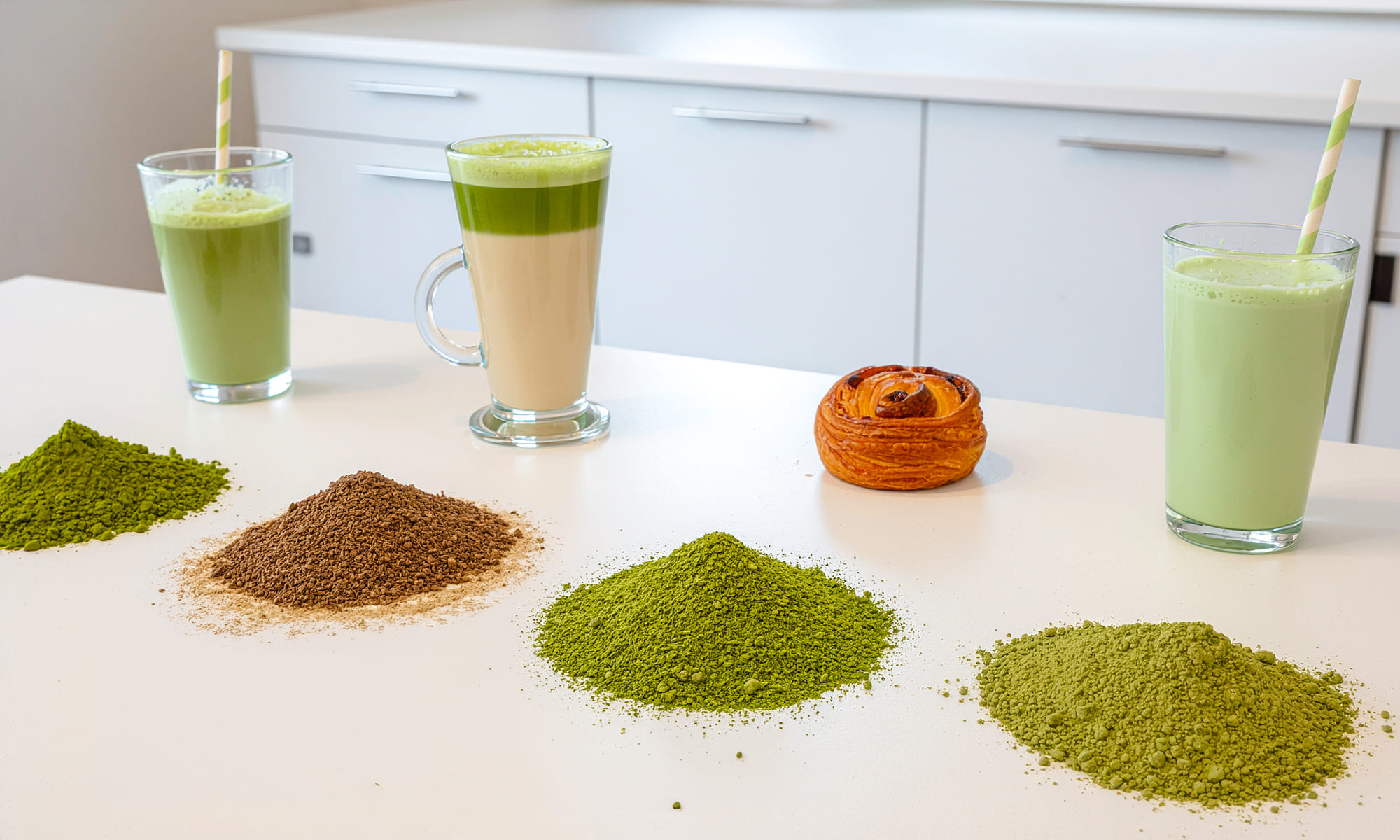
Before sensory evaluation, reviewing the ingredient specifications is a critical step for B2B buyers. The ingredient sheet provides objective data that helps determine whether a tea meets regulatory, formulation, and quality requirements for your product.
Key items such as caffeine levels, catechin content, moisture, and microbiological standards can significantly impact product performance, labeling, and market suitability.
For brands developing functional foods, beverages, or supplements, ingredient transparency is also essential for clean-label positioning and regulatory compliance across different markets.
Key points to review:
If you want to better understand how ingredient specifications differ by tea type, our article “Matcha vs Sencha: Understanding the Differences and Benefits for Your Business” offers a helpful comparison.
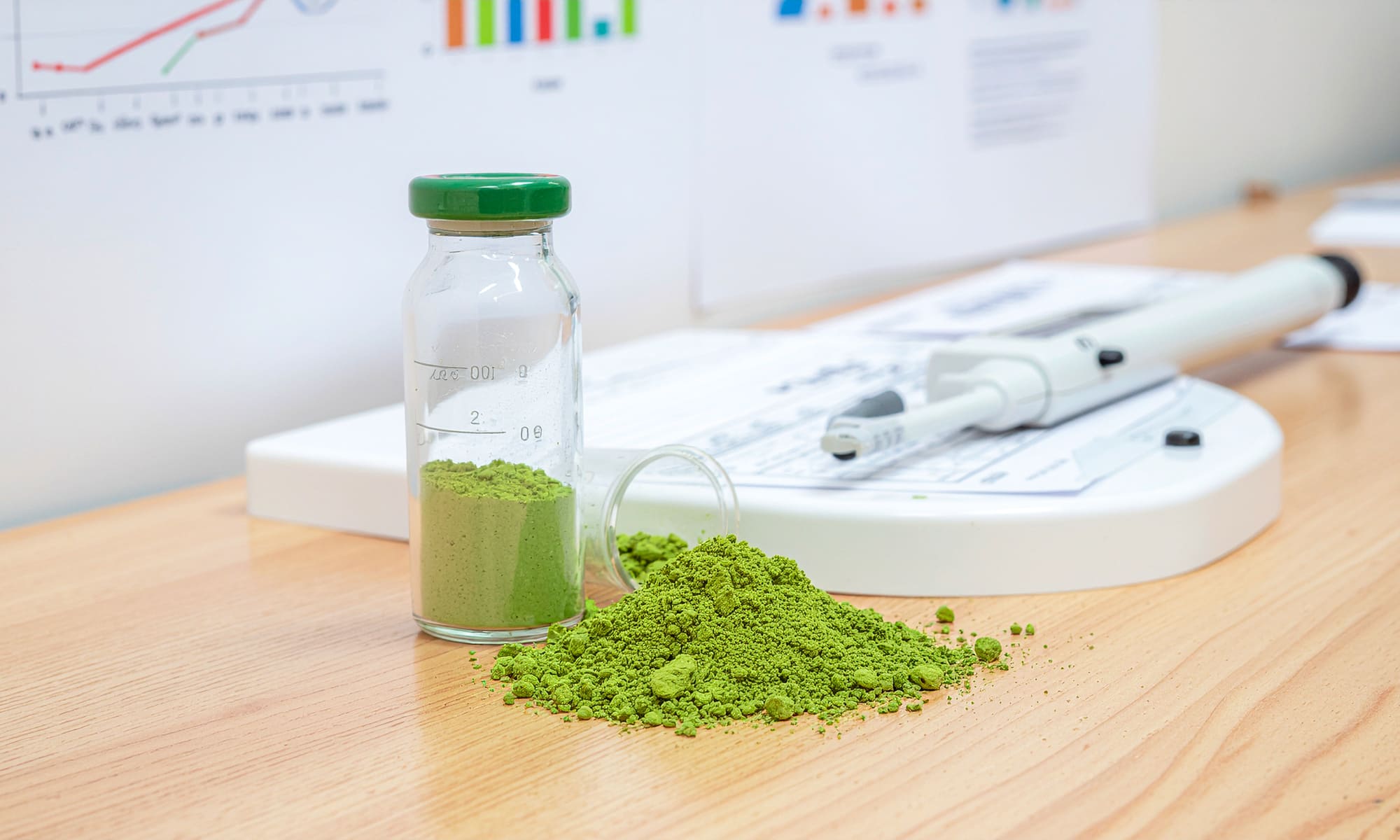
Aroma provides a clear indication of freshness and processing. Smelling the dry tea helps identify distinctions in roasting, steaming, or storage. To explore aroma characteristics further, you may find our post “9 Surprising Health Benefits of Hojicha” helpful, as it discusses how roasting influences aroma and health properties.
Consistent brewing ensures differences come from the tea, not from preparation. Matcha and powdered teas especially require stable ratios to compare accurately.
Recommended baselines:
Taste testing plays the biggest role in determining whether a sample matches your product goals. Look for clarity, smoothness, harmony, and a clean finish.
Our article “Matcha vs Sencha: Understanding the Differences and Benefits for Your Business” also explains how different teas express taste and mouthfeel.
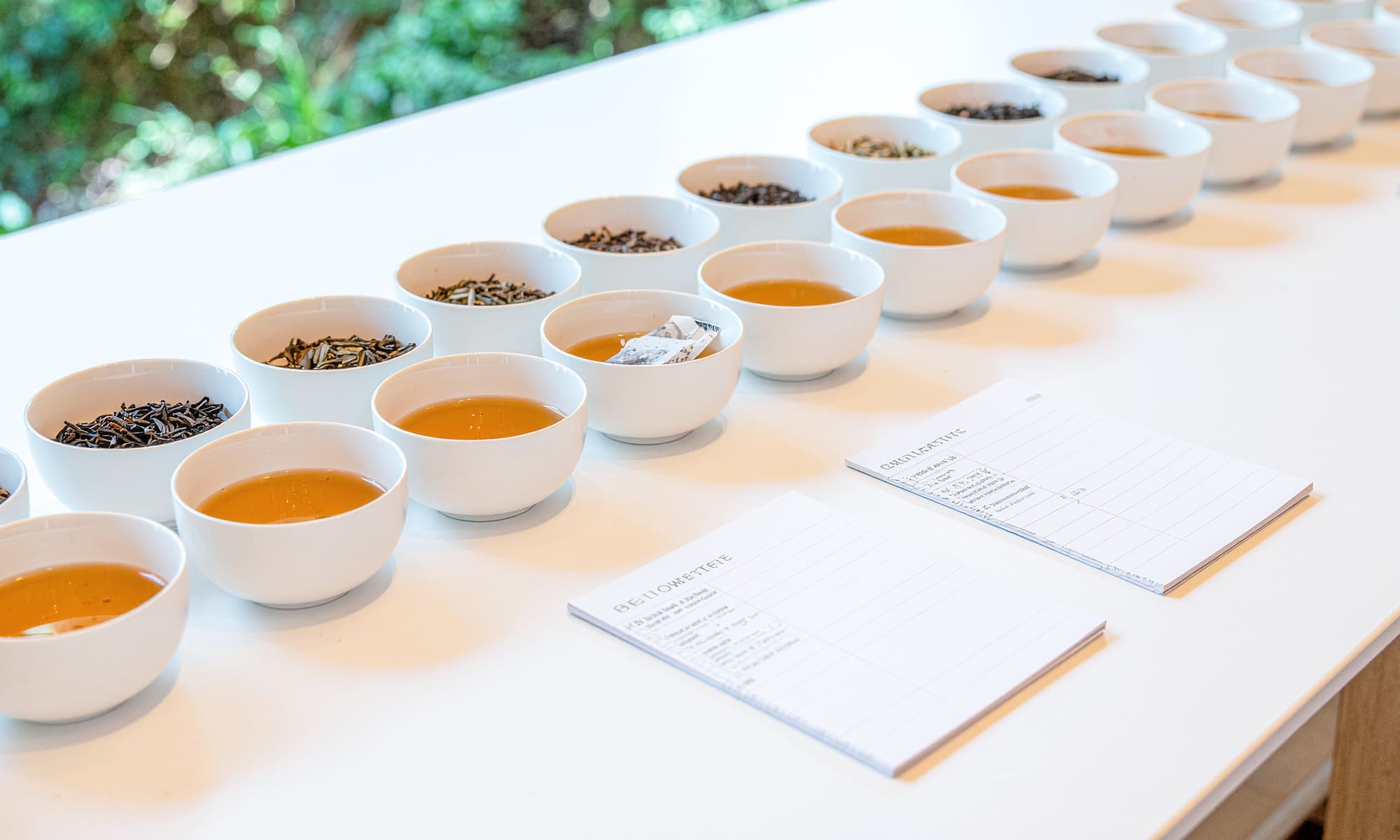
The true test for B2B buyers is how the tea behaves in real production. A tea that tastes excellent alone may change when mixed with dairy, syrups, or baked goods.
Test examples:
For insights into how Hojicha performs in modern culinary applications, you can also refer to “Hojicha: From Traditional Tea to Modern Culinary Ingredient.”
Food-grade tea must meet strict safety and quality standards. Request certification documents that verify production controls and safety.
Important documents to request:
The lowest price is not always the most efficient choice for production. Evaluate consistency, ease of use, and production performance.
Consider:

Evaluating tea samples thoroughly helps businesses choose ingredients that elevate product quality and ensure long-term reliability. Look for suppliers who provide consistent quality, transparent documentation, and responsive support.
To explore more about Hojicha trends and opportunities, you may also read “Hojicha in Global Markets: How This Unique Tea is Capturing International Attention.”


Articles providing insights into Japanese green tea and topics related to it.


