
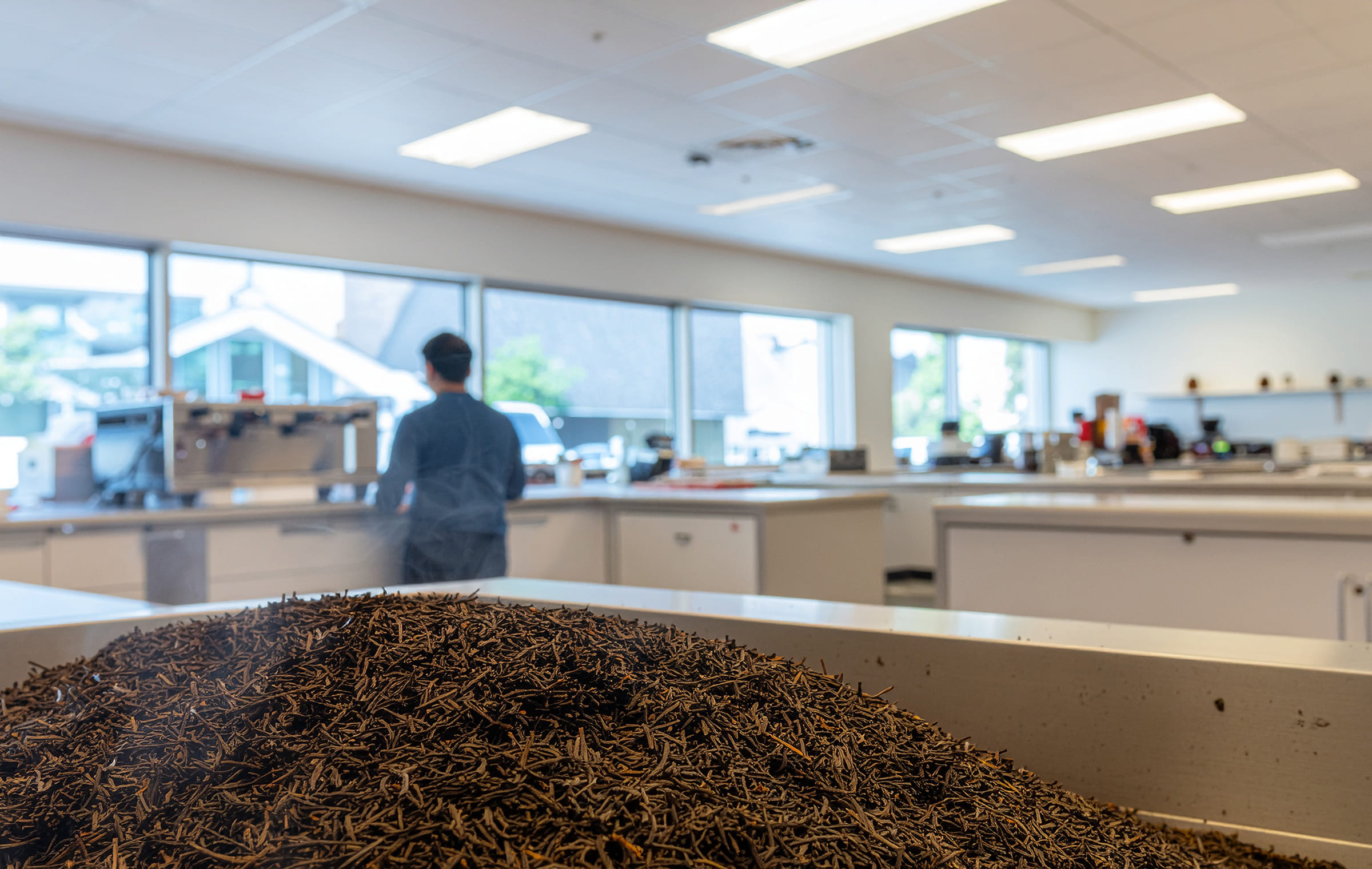
Hojicha has gained increasing attention among food and beverage businesses worldwide due to its roasted aroma, mild flavor, and low caffeine profile. From cafés and bakeries to beverage brands and wellness-focused products, hojicha is now widely used as an ingredient rather than simply a traditional tea. However, the quality of hojicha varies significantly depending on how and where it is sourced. For businesses, choosing the right hojicha supplier is essential to ensure consistent flavor, safety, and performance in product development.
For readers who are new to hojicha as an ingredient, our article “Exploring Hojicha: A Toasty Twist on Traditional Green Tea” provides a helpful overview of what makes hojicha distinct from other Japanese green teas and why it has become popular in modern food and beverage applications.
Before sourcing hojicha, it is important to understand how it is produced. Hojicha is made by roasting green tea leaves, typically bancha, kukicha, or sencha stems, at high temperatures. This roasting process reduces bitterness and caffeine while creating its distinctive roasted aroma.
Key factors that influence hojicha quality include the base tea used, roasting temperature and duration, and post-roasting handling. Small variations in these steps can significantly affect flavor, color, and aroma. If you want a deeper look at how roasting shapes hojicha’s character, our article “The Science of Tea Roasting: How Hojicha Achieves Its Unique Flavor Profile” explains the process in more detail.
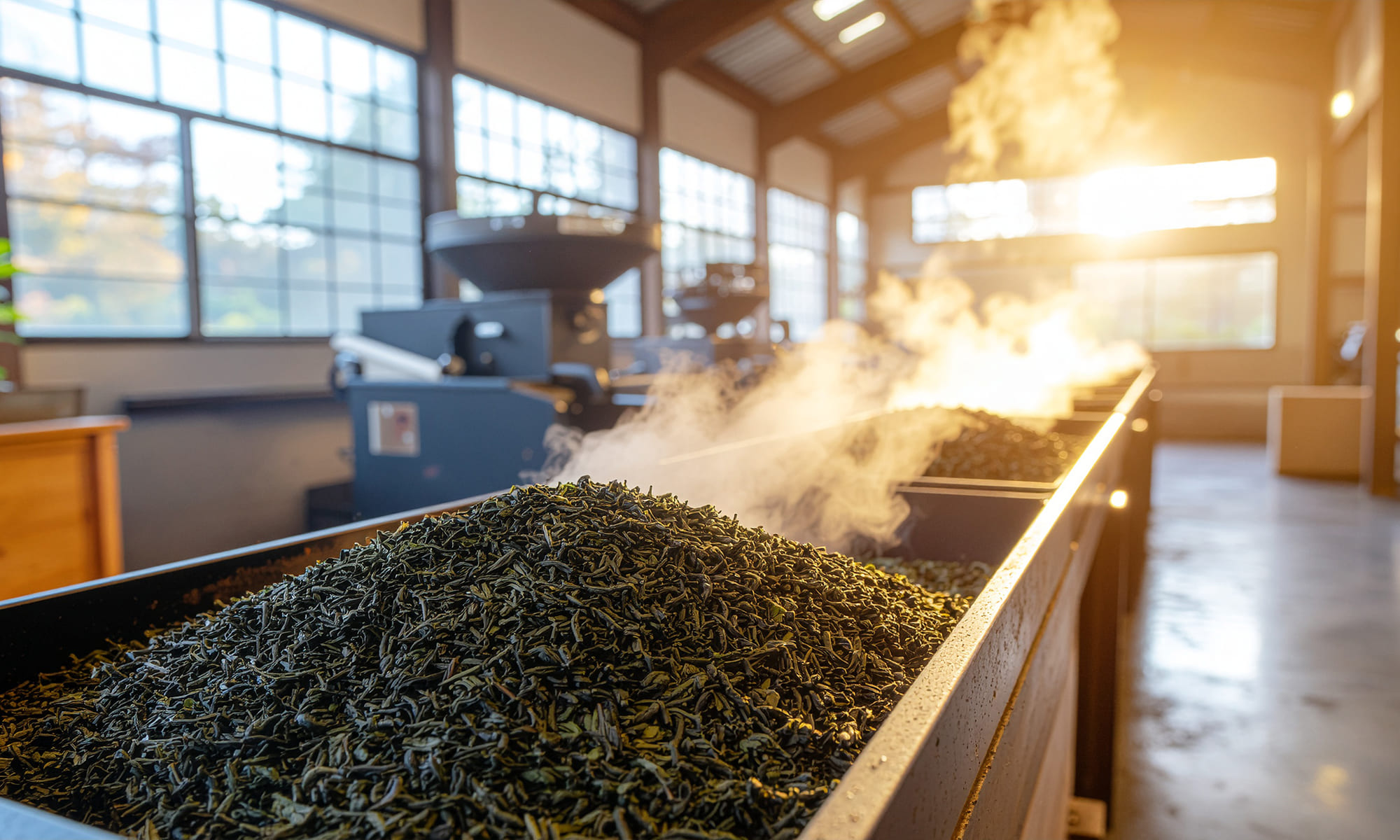
High-quality hojicha starts with quality green tea leaves. Even though hojicha is roasted, the condition of the raw material still matters. Leaves should be clean, free from foreign matter, and properly harvested.
For food and beverage applications, consistency is especially important. Ask suppliers about the origin of the tea leaves, harvest season, and whether the same grade of raw material can be supplied continuously.
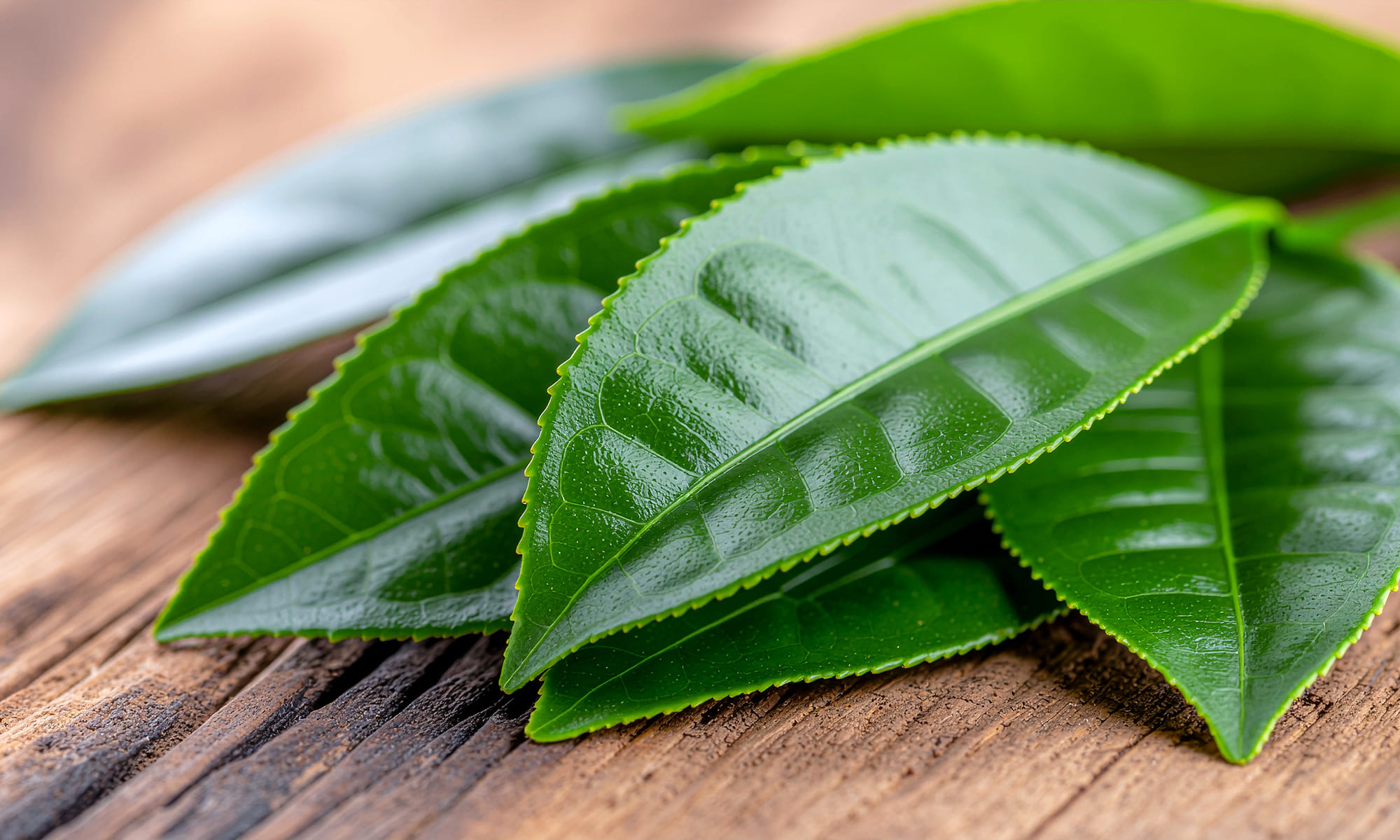
Roasting is the defining step in hojicha production. Skilled roasting brings out a balanced aroma without burning the leaves or producing excessive bitterness. For businesses, inconsistency in roasting can result in noticeable differences between product batches.
When evaluating suppliers, ask about their roasting methods, quality control processes, and experience producing hojicha for commercial applications. A supplier with in-house roasting expertise is generally better equipped to maintain consistent results.
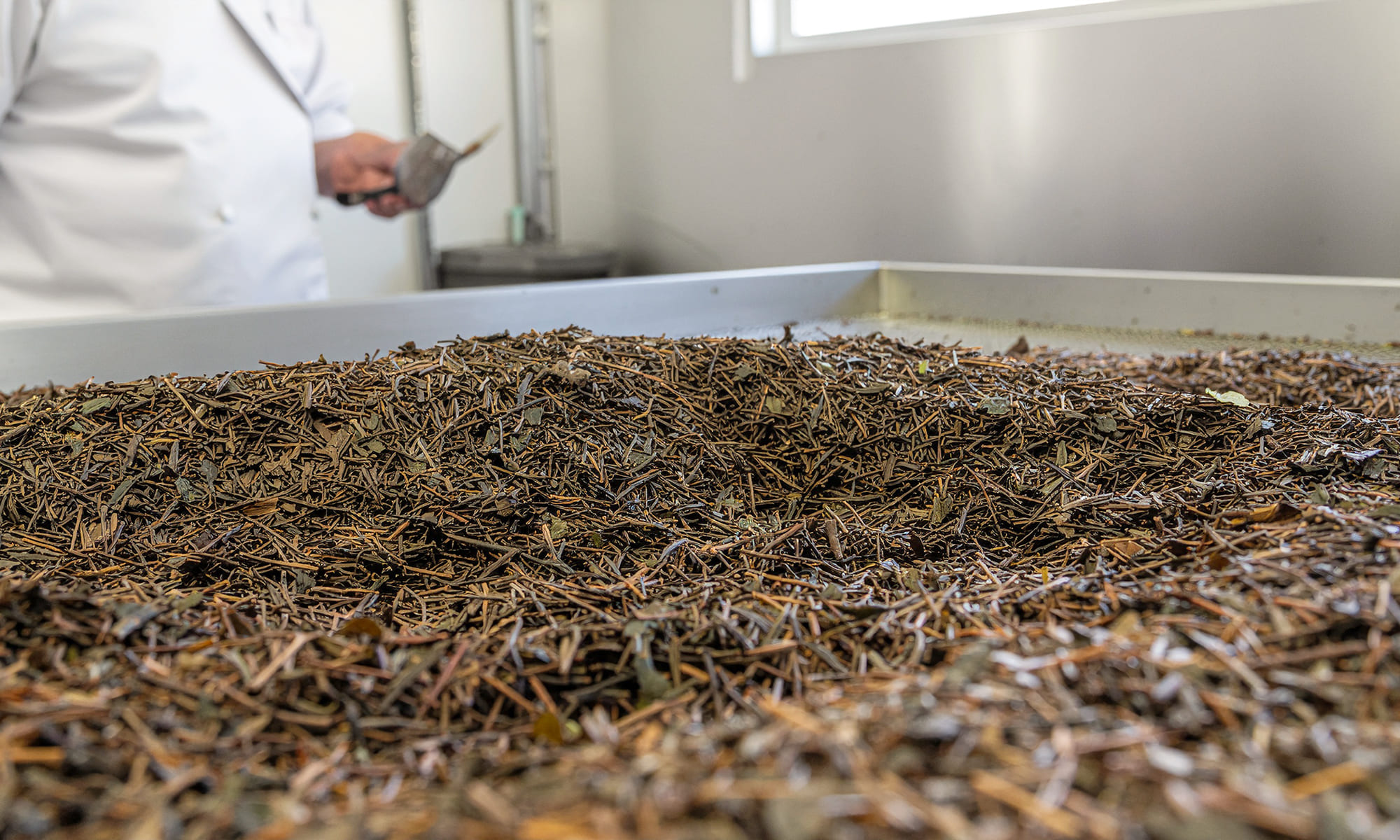
For food and beverage businesses, safety and compliance are non-negotiable. Ensure that your hojicha supplier follows appropriate food safety standards and can provide documentation when needed.
Certifications such as ISO-based food safety management systems or organic certification can be strong indicators of reliable production practices. Even if certification is not mandatory for your product, it adds reassurance when scaling your business internationally.
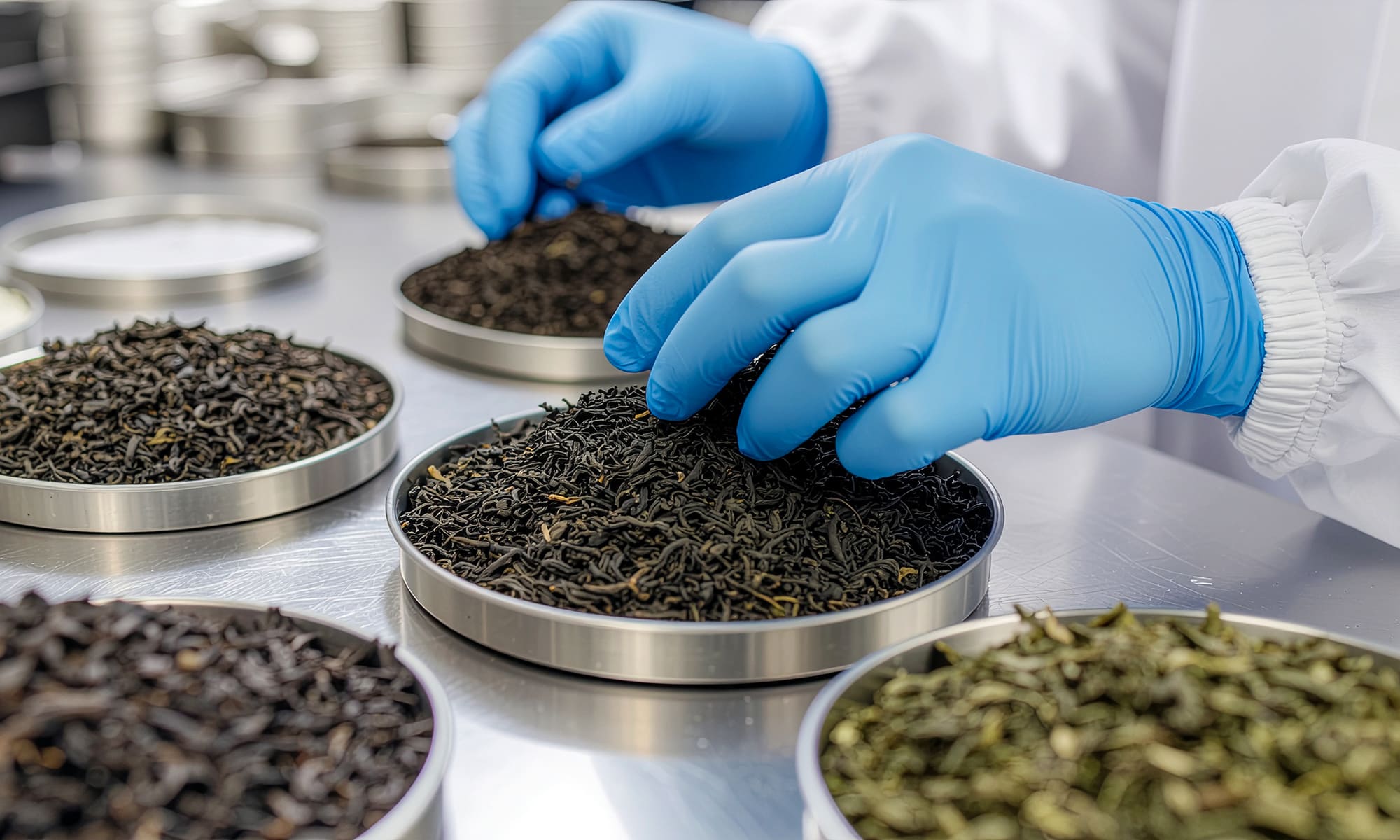
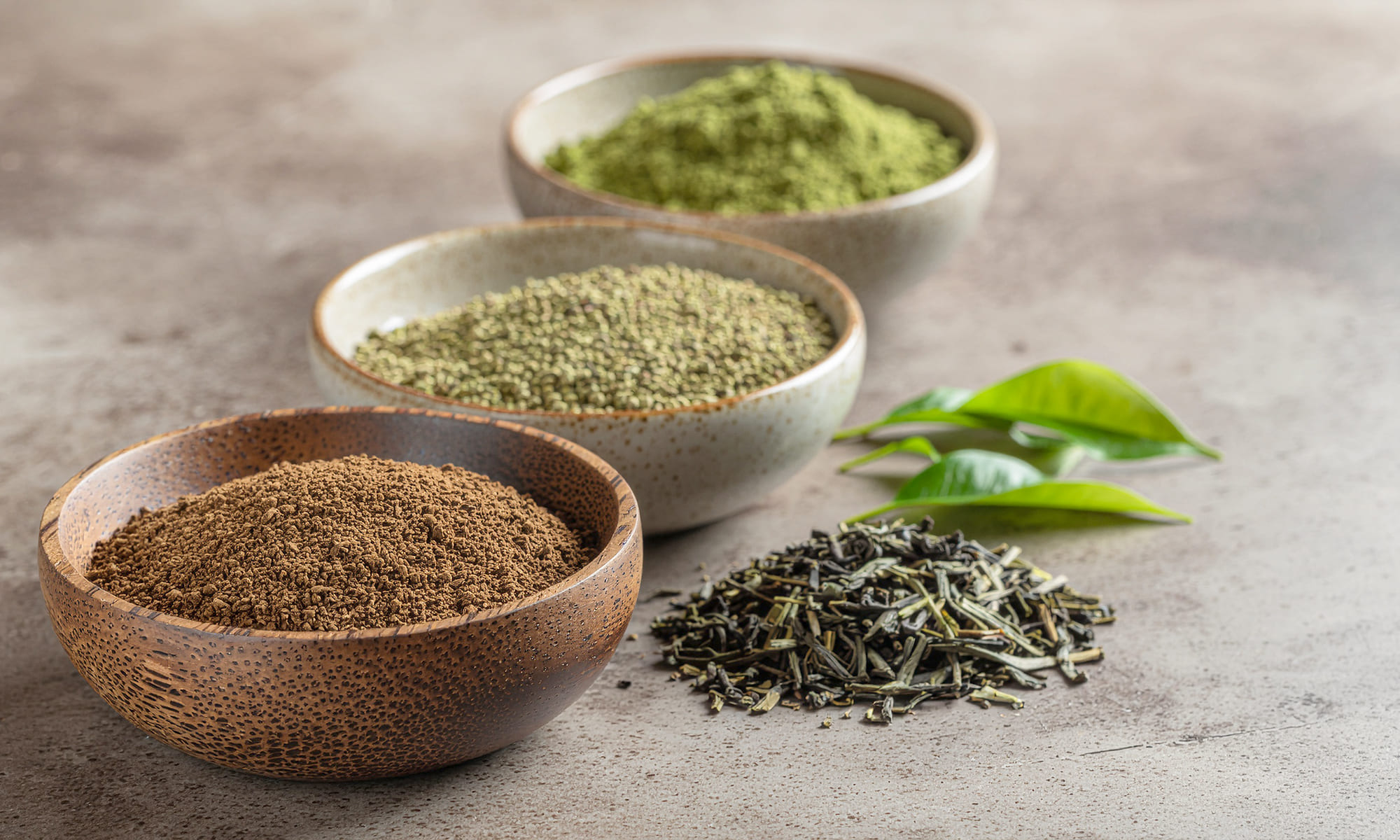
Different applications require different types of hojicha. Finely milled hojicha powder may be suitable for beverages and desserts, while loose-leaf or granular hojicha may work better for bottled drinks or infusions.
When sourcing hojicha, clearly communicate your intended use to the supplier. This allows them to recommend the appropriate roast level, particle size, and formulation for your product development needs. For practical examples of how hojicha is used across drinks and wellness-focused products, you may find “Antioxidant-Rich Hojicha for Healthy Drinks: The Perfect Ingredient for Wellness Beverages” useful.
A reliable hojicha supplier should understand the demands of food and beverage businesses, including bulk supply, consistent quality, and long-term partnerships. Clear communication, sample evaluation, and stable logistics are all essential factors.
Rather than focusing only on price, prioritize suppliers who can support your product development and growth over time.
Sourcing high-quality hojicha is not just about selecting a tea—it is about choosing a reliable ingredient partner for your business. By understanding production methods, evaluating raw materials, ensuring safety standards, and working with experienced suppliers, food and beverage businesses can unlock the full potential of hojicha in their products.
If you are considering hojicha as a long-term ingredient, our article “High-Quality Hojicha for Food and Beverage Development: Unlocking New Possibilities” further explores how consistent quality hojicha can support product innovation and brand differentiation.


Articles providing insights into Japanese green tea and topics related to it.


