
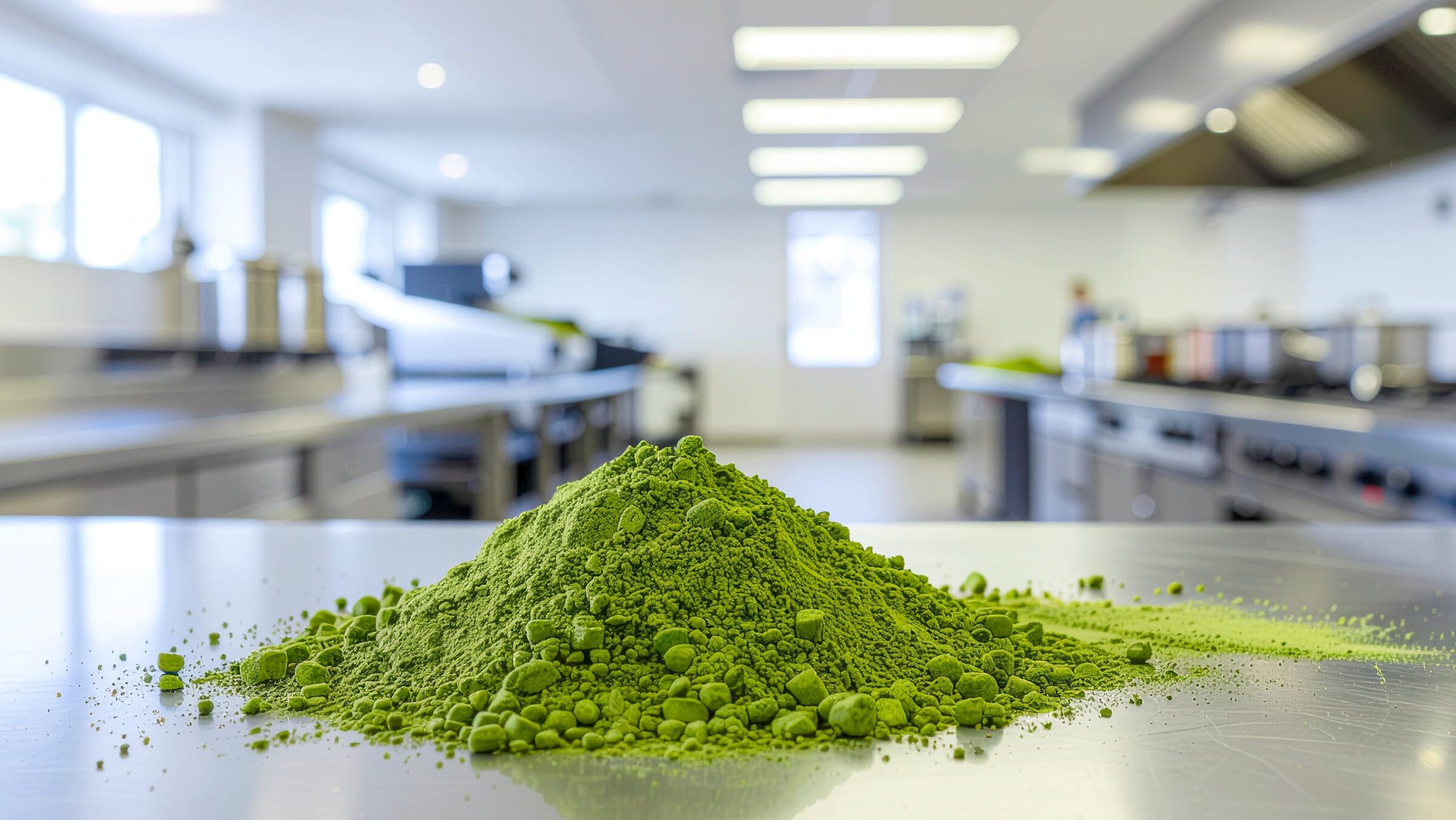
Culinary-grade matcha has become an essential ingredient for food and beverage businesses seeking innovation, versatility, and consistent quality. From cafés and bakeries to beverage brands and wellness-focused products, matcha is no longer limited to traditional tea consumption. For businesses, culinary-grade matcha offers functional benefits that support product development at scale.
If you are new to matcha as an ingredient, our article “Discovering Matcha: The Essence of Japanese Green Tea” explains its origins and characteristics in detail.
Culinary-grade matcha is specifically produced for food and beverage applications rather than traditional tea ceremonies. It is designed to deliver stable color, flavor, and performance when blended into recipes. Compared to ceremonial-grade matcha, culinary-grade matcha prioritizes consistency, scalability, and cost efficiency.
For a detailed comparison between different grades, you may find “Culinary-Grade Matcha: How to Choose the Right Supplier for Your Food Products” helpful.
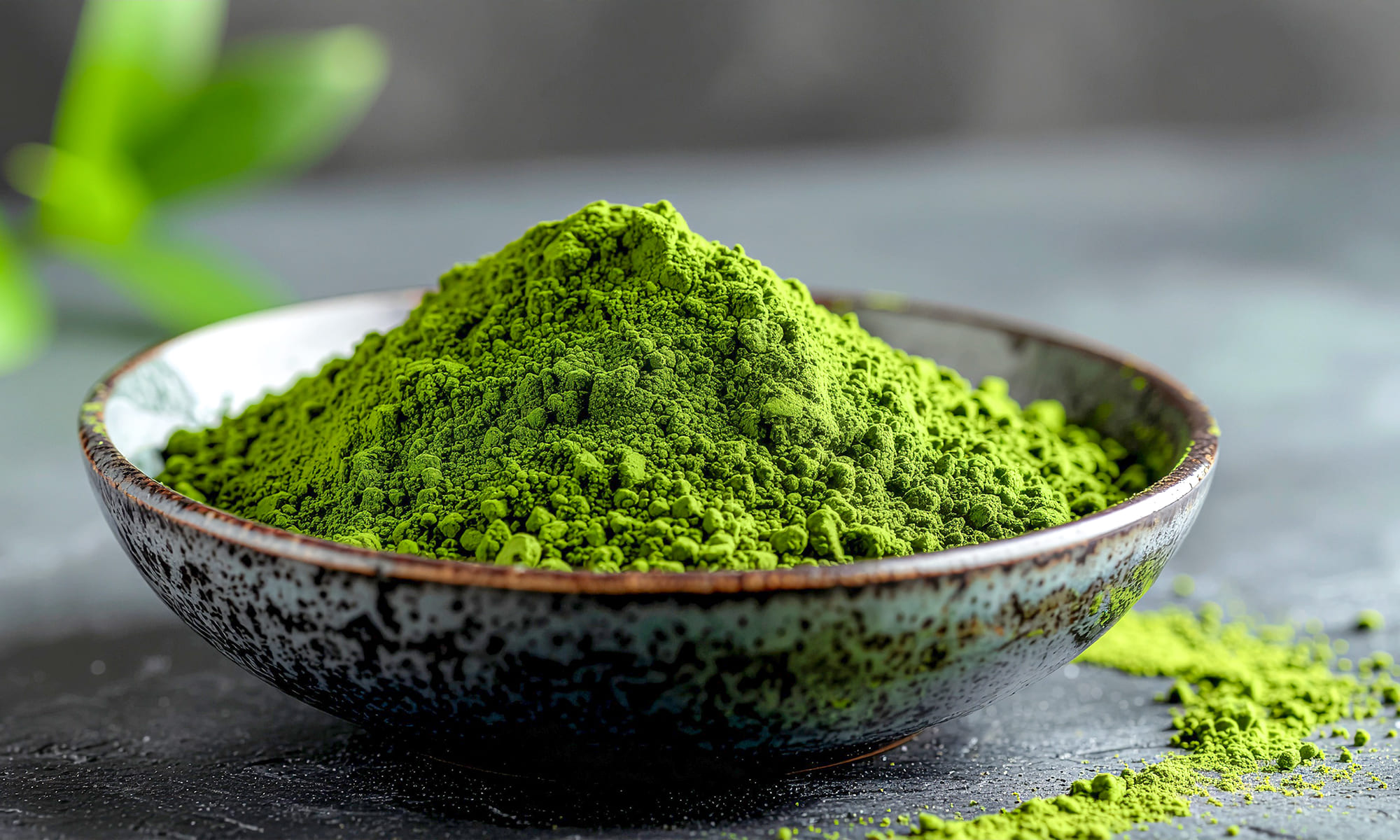
Consistency is one of the most critical factors in food and beverage production. Culinary-grade matcha is processed to ensure uniform taste, color, and solubility across batches. This consistency allows brands to maintain product quality even as production volume increases.
If consistency and scalability are critical for your business, the insights in “Navigating the Bulk Japanese Green Tea Market” may also be relevant.
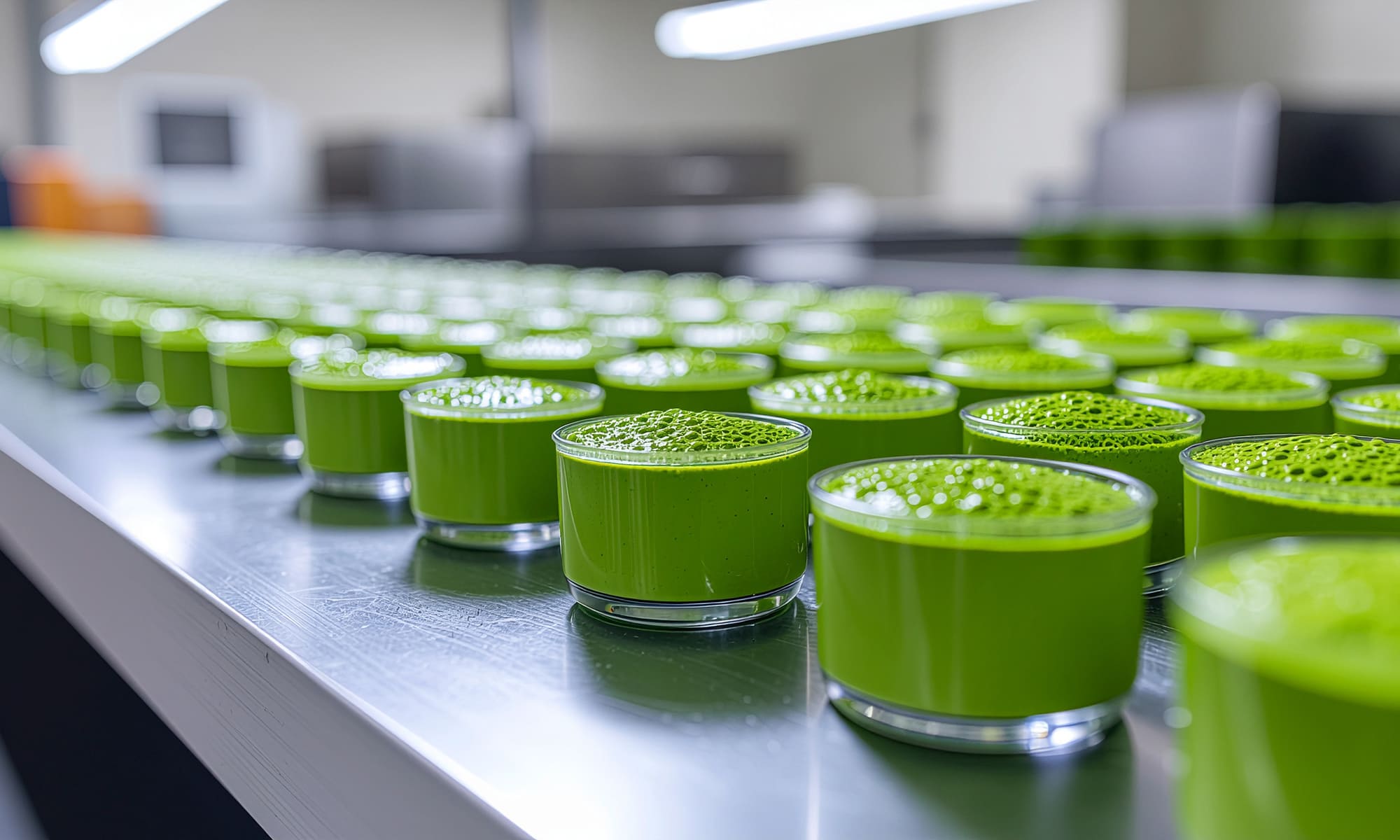
Culinary-grade matcha offers more than just its distinctive green color and taste. It contains naturally occurring antioxidants that align well with health-conscious product positioning. This makes it suitable for wellness beverages, functional foods, and nutrition-focused formulations.
Related insights can also be found in “Matcha Magic: 6 Transformative Health Benefits of Japan’s Green Wonder”
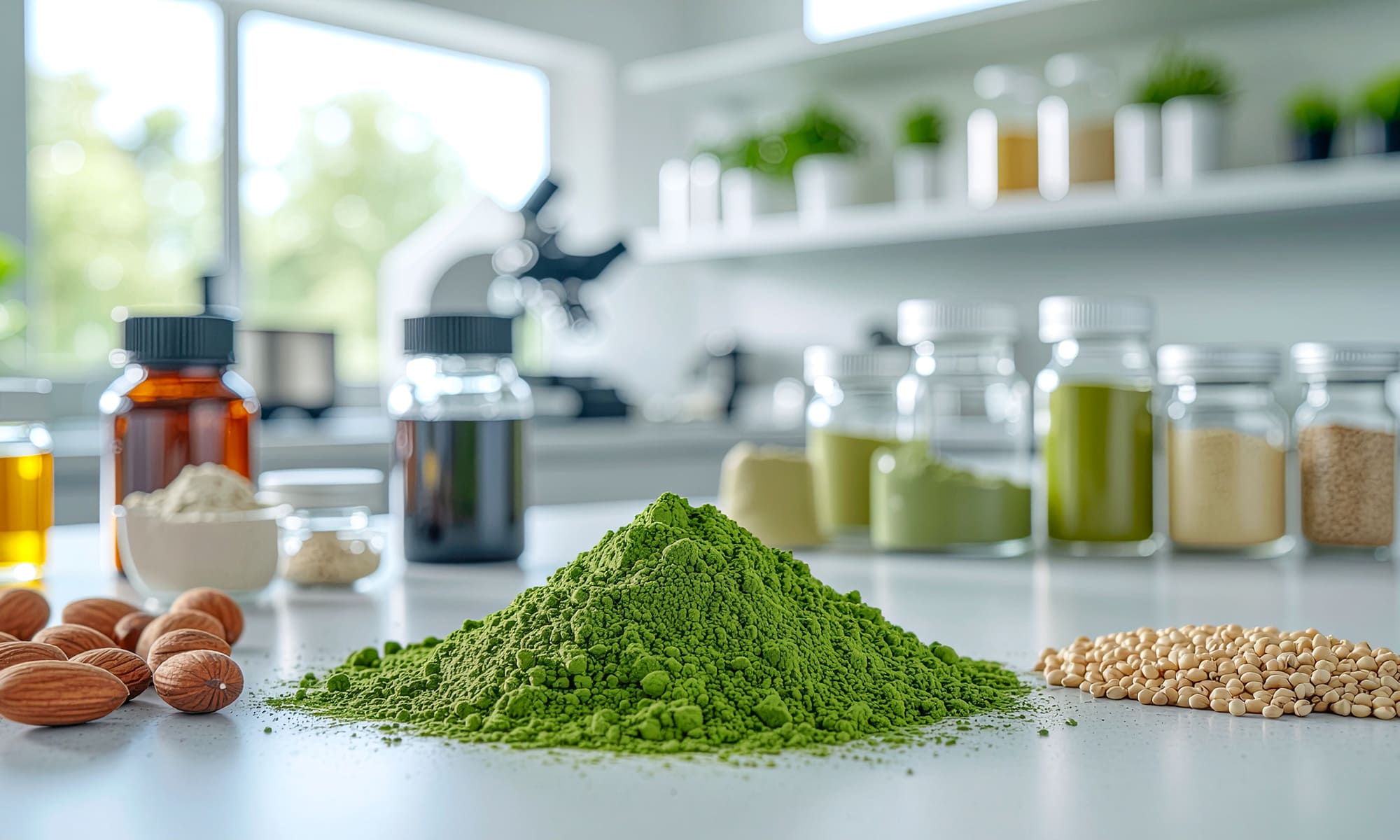
One of the strongest advantages of culinary-grade matcha is its versatility. It can be used in beverages, baked goods, desserts, sauces, and even savory applications. Different particle sizes and formulations allow manufacturers to tailor matcha to specific applications.
For broader inspiration on how Japanese green teas are used in product development, see “Trends in Tea: How Japanese Green Tea is Shaping the Food and Beverage Industries”
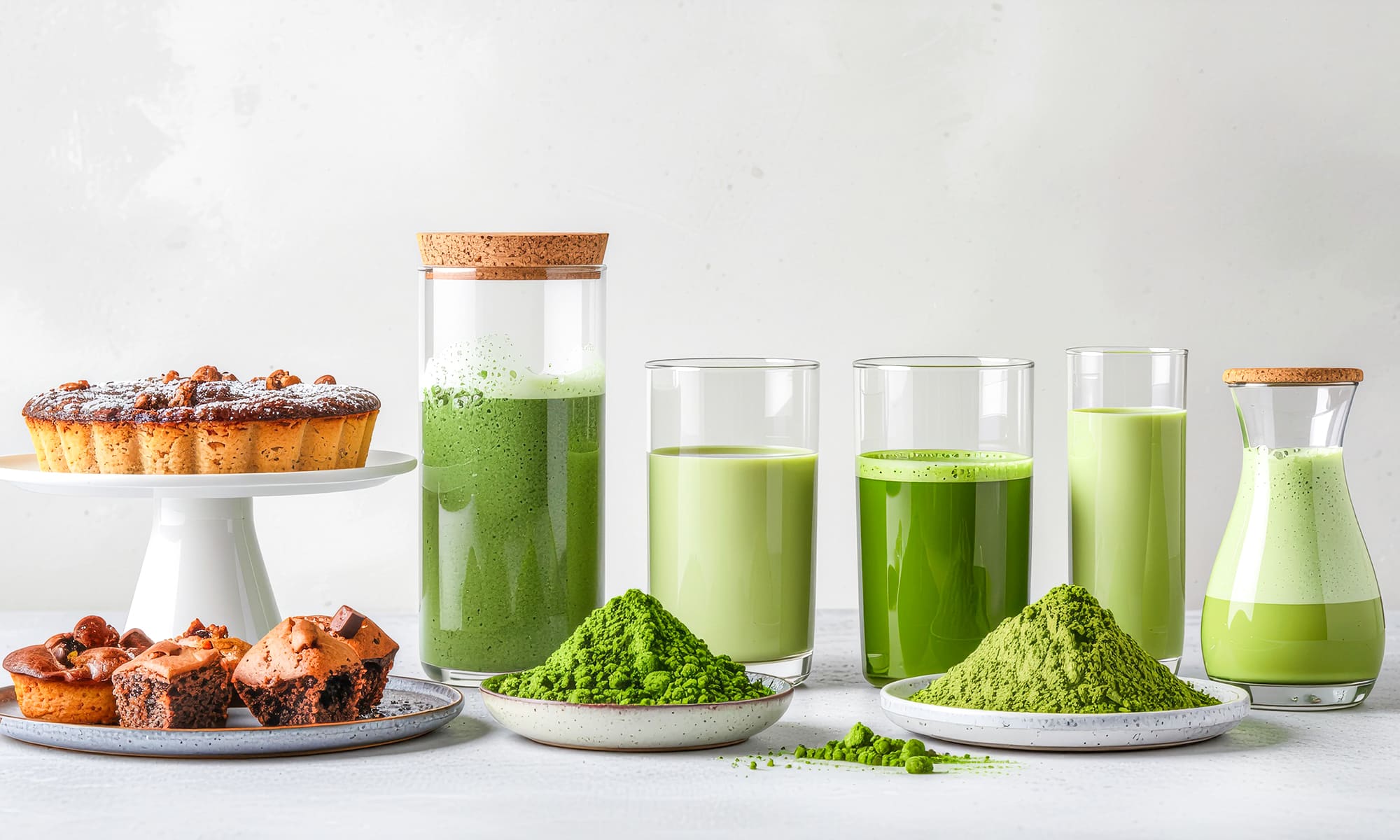
The quality of culinary-grade matcha depends heavily on the supplier’s expertise. Reliable suppliers understand B2B requirements such as bulk supply, quality control, and long-term consistency.Rather than focusing solely on price, businesses should prioritize partners who support product innovation and growth.
Culinary-grade matcha is an ideal ingredient for food and beverage innovation due to its consistency, functionality, and versatility. By sourcing the right matcha and working with experienced suppliers, businesses can unlock new possibilities in product development. For brands looking to innovate while maintaining consistent quality, culinary-grade matcha offers a strong foundation.


Articles providing insights into Japanese green tea and topics related to it.


