
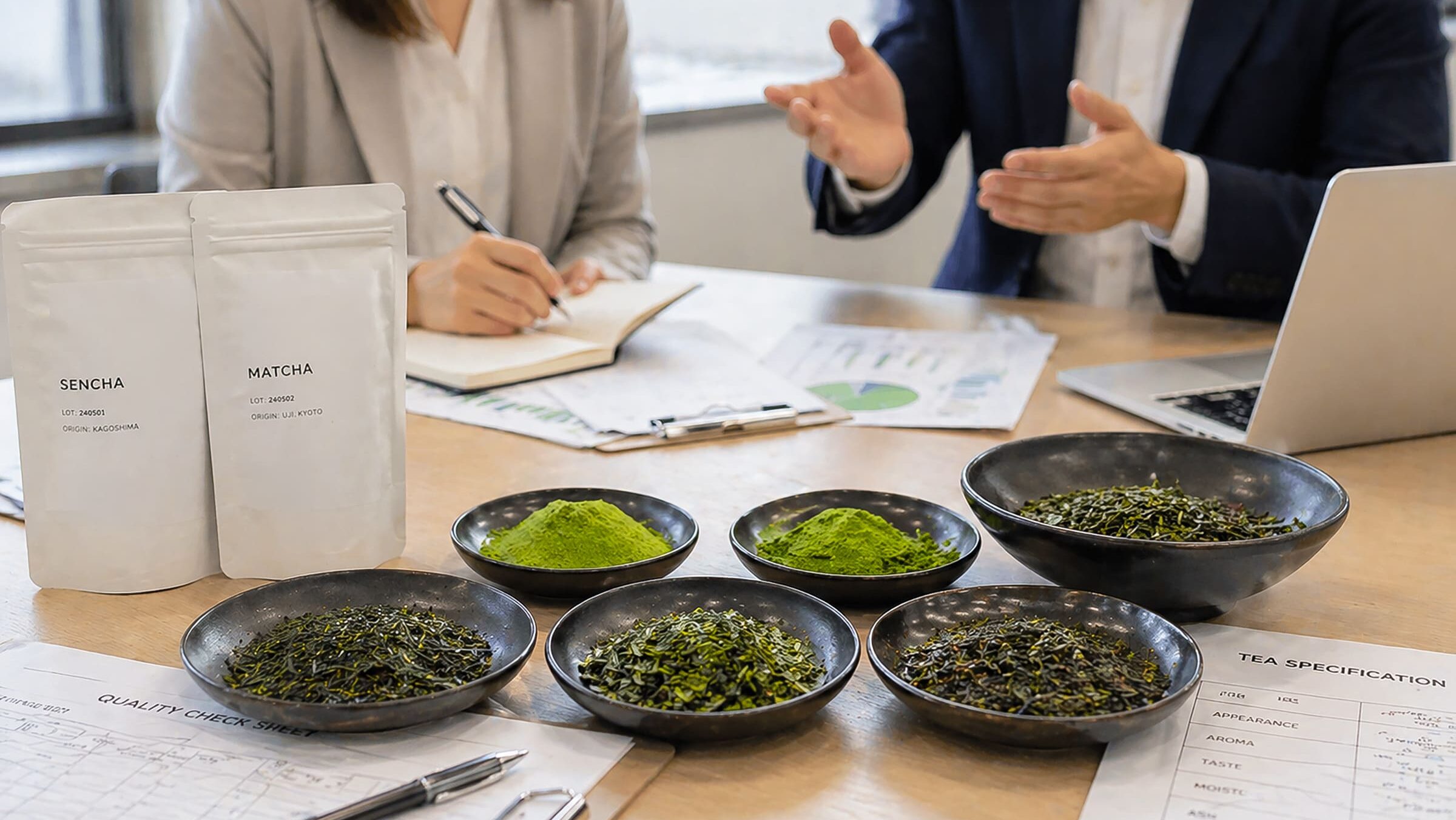
Choosing the right bulk tea supplier is one of the most critical decisions for food and beverage businesses. Whether you are developing a new product line or scaling an existing one, the quality, consistency, and reliability of your tea supplier directly impact your final product and brand reputation.
In today’s global market, where demand for Japanese green tea such as Matcha, Hojicha, and Sencha continues to grow, selecting a reliable supplier is not just about price—it’s about long-term partnership and business success.
As discussed in our article on “How to Source High-Quality Hojicha for Your Food and Beverage Business,” sourcing decisions play a key role in ensuring consistent product performance and scalability.
Consistency is essential in food and beverage production. Even slight variations in flavor, color, or aroma can affect the final product and customer experience.
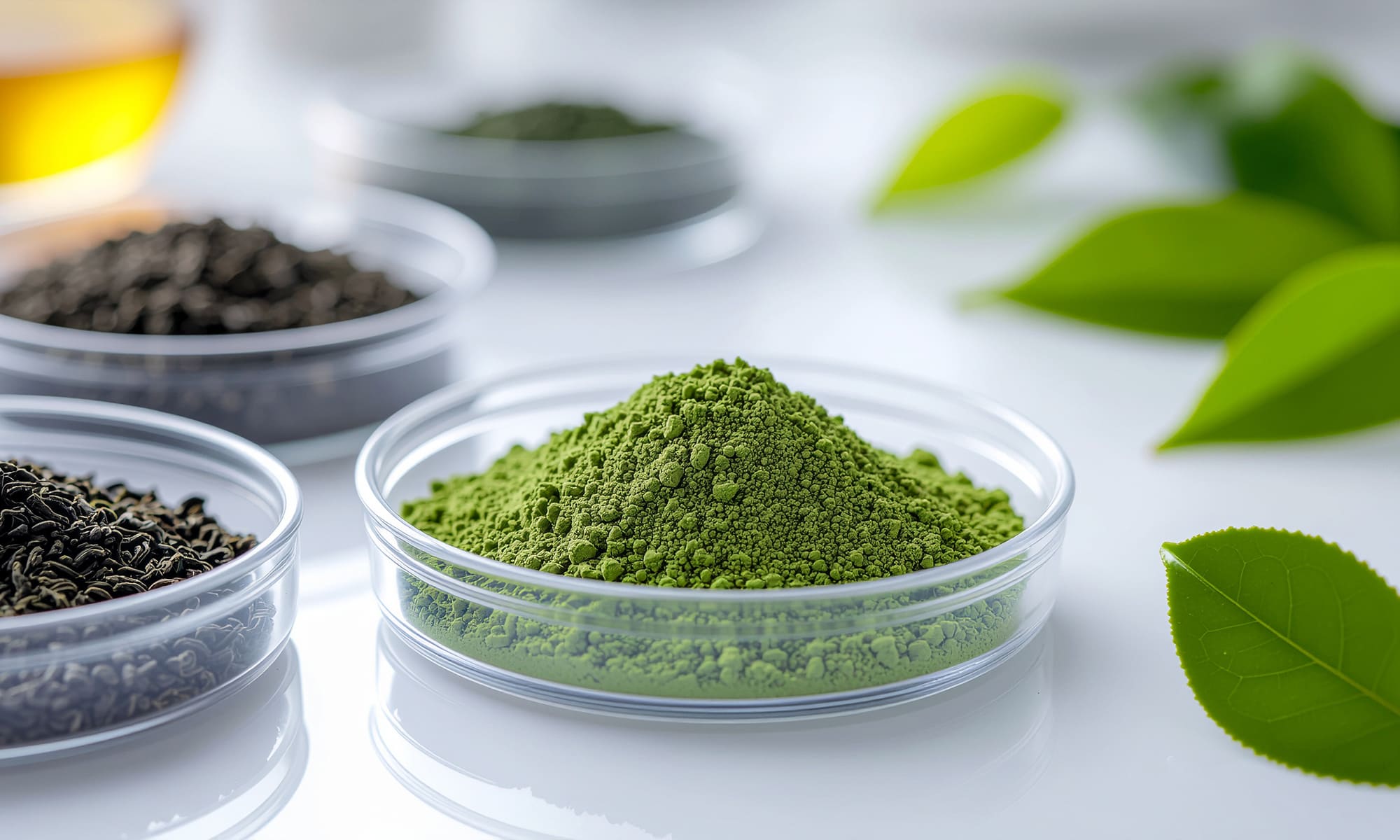
A reliable supplier should offer clearly defined product specifications, including origin, processing methods, and quality grades. Requesting samples and conducting internal testing is also a critical step before committing to large-scale purchases.
For example, understanding differences in processing methods—such as those explained in “Hojicha Powder vs. Loose Leaf: Which is Best for Your Product Development?”—can help ensure that the selected tea aligns with your intended application.
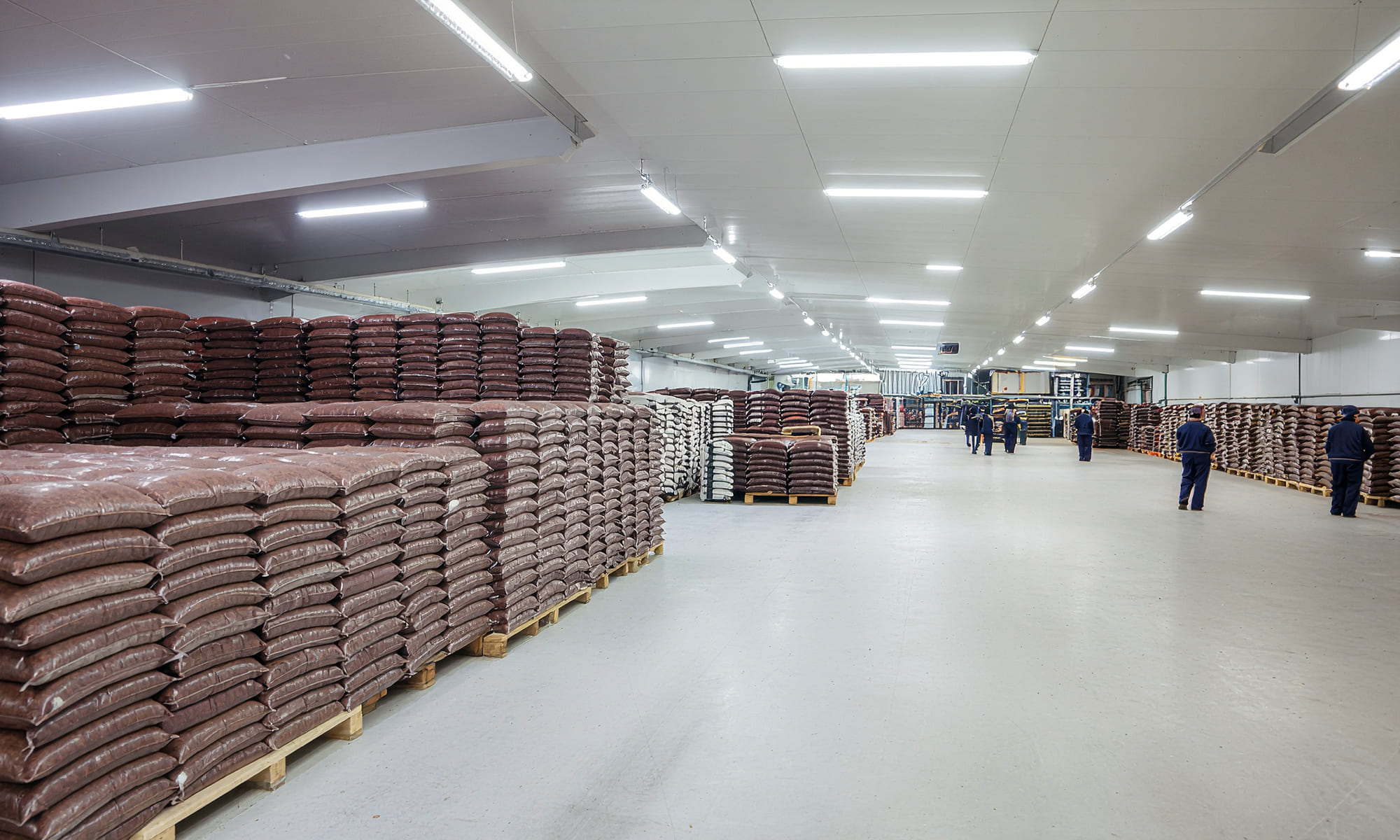
For B2B buyers, supply reliability is just as important as quality. Can the supplier handle increasing order volumes as your business grows? Do they have a stable production and logistics system?
A strong supplier should have the capability to provide consistent supply throughout the year, minimizing risks related to seasonal fluctuations or unexpected shortages.
As highlighted in “Why Japanese Tea Ingredient Prices Are Rising: Market Insights for Businesses,” fluctuations in raw material availability can directly impact supply stability, making it essential to partner with a well-established supplier.
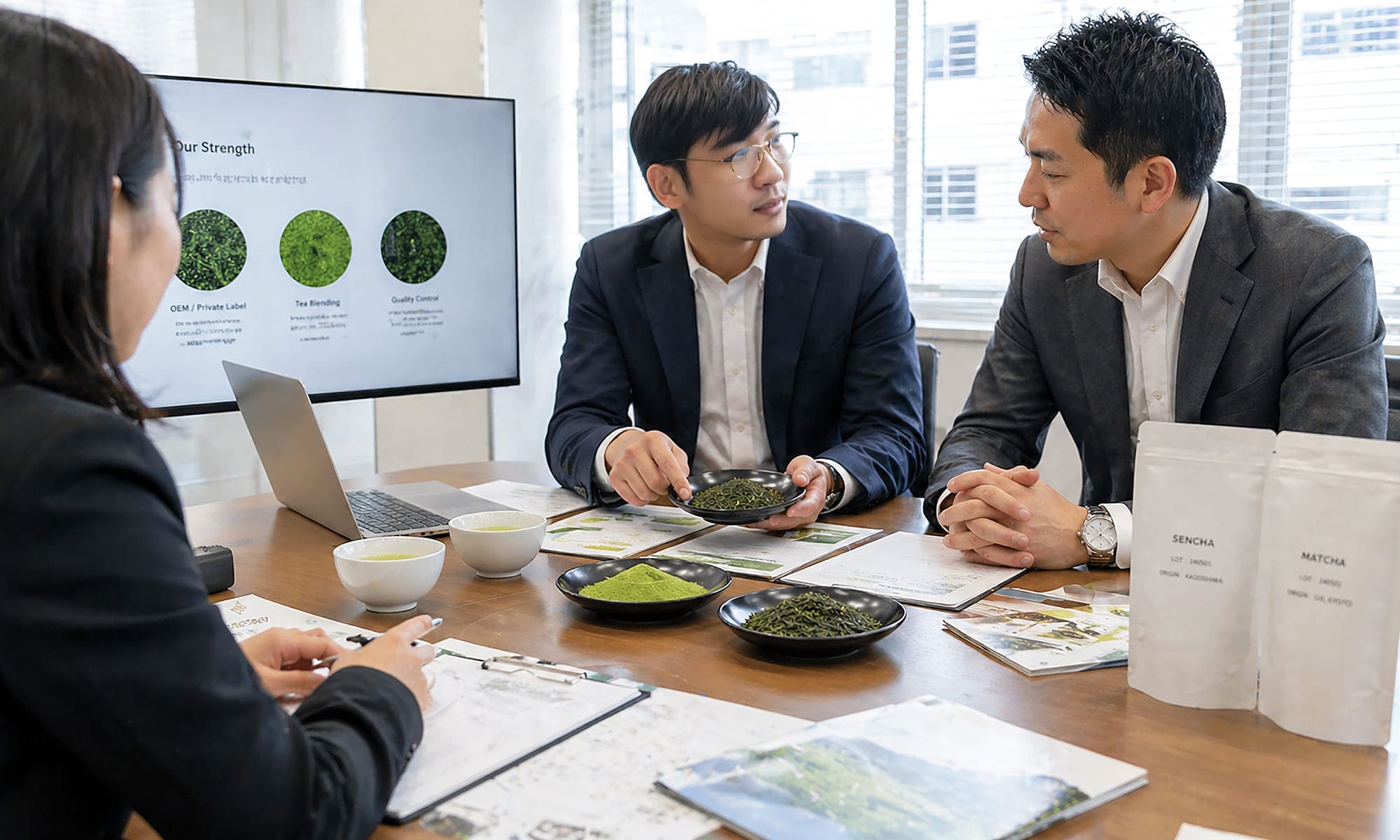
Clear communication and transparency are key indicators of a trustworthy supplier. This includes responsiveness, willingness to share information, and clarity regarding pricing, lead times, and specifications.
Suppliers who proactively provide updates and support are more likely to become valuable long-term partners rather than just transactional vendors.
Food safety and compliance are critical in global markets. Look for suppliers with recognized certifications such as ISO standards or organic certifications, depending on your market requirements. These certifications not only ensure product safety but also enhance credibility when presenting your products to your own customers.

A supplier with extensive experience in tea production and export can provide valuable insights beyond just supplying raw materials. This includes advice on product applications, market trends, and formulation support.
For example, understanding how tea ingredients are used in real-world applications—such as those explored in “High-Quality Hojicha for Food and Beverage Development: Unlocking New Possibilities”—can help businesses create more competitive products.
Choosing a reliable bulk tea supplier is not just a procurement decision—it is a strategic investment in your business. By focusing on quality, supply stability, transparency, certifications, and experience, B2B buyers can build strong partnerships that support long-term growth.
As the global demand for Japanese tea continues to expand, working with the right supplier will become an increasingly important competitive advantage.
If you are looking for a reliable bulk supplier of Japanese green tea, including Matcha, Hojicha, and Sencha, feel free to contact us to discuss your business needs.


Articles providing insights into Japanese green tea and topics related to it.


