

As global demand for Japanese green tea continues to grow, food manufacturers are increasingly incorporating ingredients such as Matcha, Hojicha, and Sencha into a wide range of products—from beverages to baked goods and functional foods.
However, not all tea is suitable for product development. Culinary-grade tea must meet specific requirements in terms of flavor, functionality, and consistency. In this article, we explore the key factors food manufacturers should consider when selecting culinary-grade tea for their applications.
Flavor is one of the most critical elements when using tea in food and beverage products. Depending on the application, manufacturers may require a tea with a strong roasted note, a mild vegetal flavor, or a balanced profile that complements other ingredients.
For example, Hojicha is often preferred in desserts due to its mild bitterness and roasted aroma, making it easier to incorporate into sweet formulations.
For more insights into how Hojicha can be applied in product development, see our article “High-Quality Hojicha for Food and Beverage Development: Unlocking New Possibilities.”
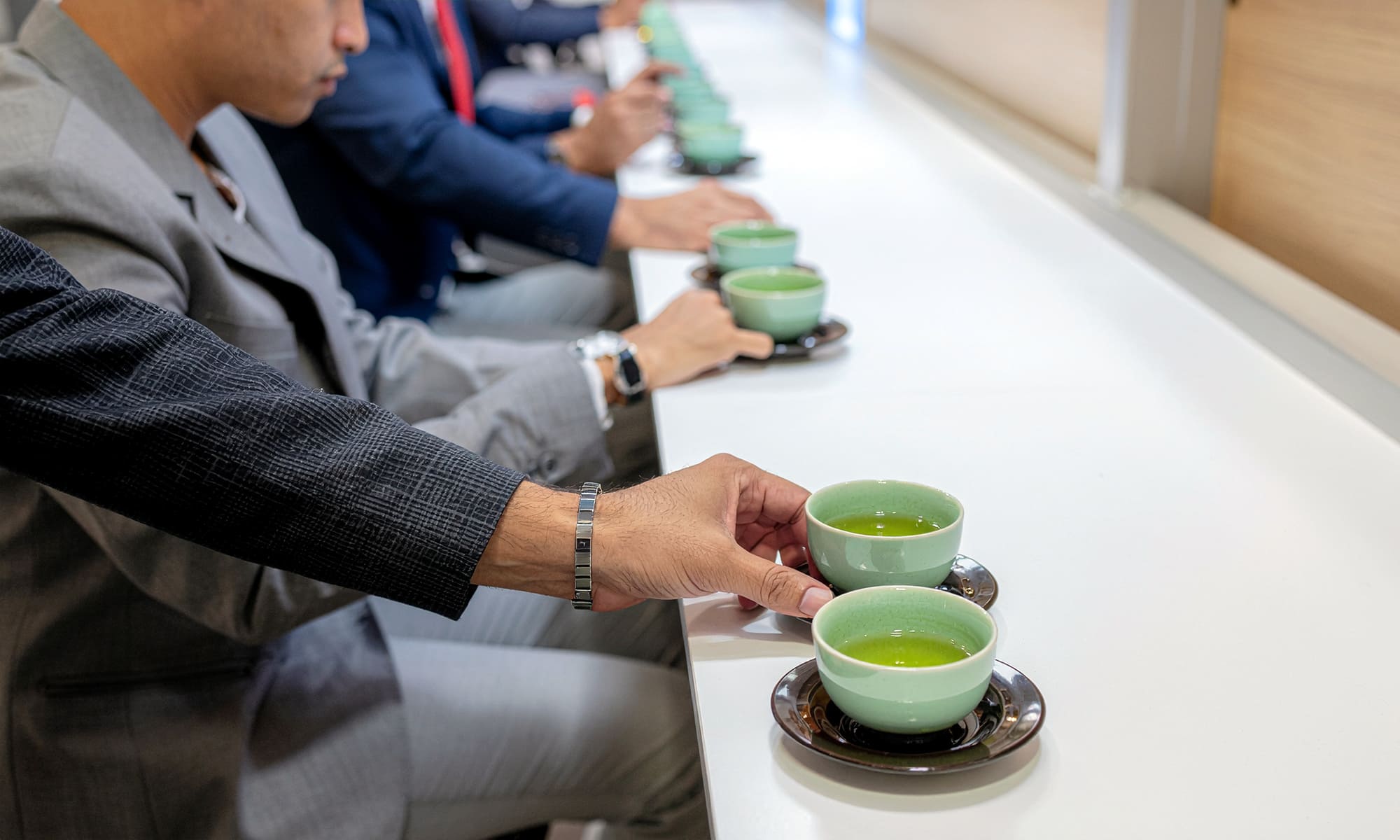
The form of tea—whether powder or loose leaf—significantly affects its usability in product development. Powdered tea is often used in beverages, baked goods, and confectionery due to its ease of integration and consistent dispersion.
On the other hand, loose leaf tea may be more suitable for extraction-based applications such as ready-to-drink beverages or infusions. Understanding these differences is essential. As discussed in “Hojicha Powder vs. Loose Leaf: Which is Best for Your Product Development?”, choosing the right form can directly impact production efficiency and product quality.
In many applications, especially in beverages and desserts, visual appeal plays a key role. Matcha is often used for its vibrant green color, while Hojicha provides a warm brown tone that aligns well with certain product concepts.
Manufacturers should consider how the color of tea interacts with other ingredients and how it contributes to the overall product presentation.
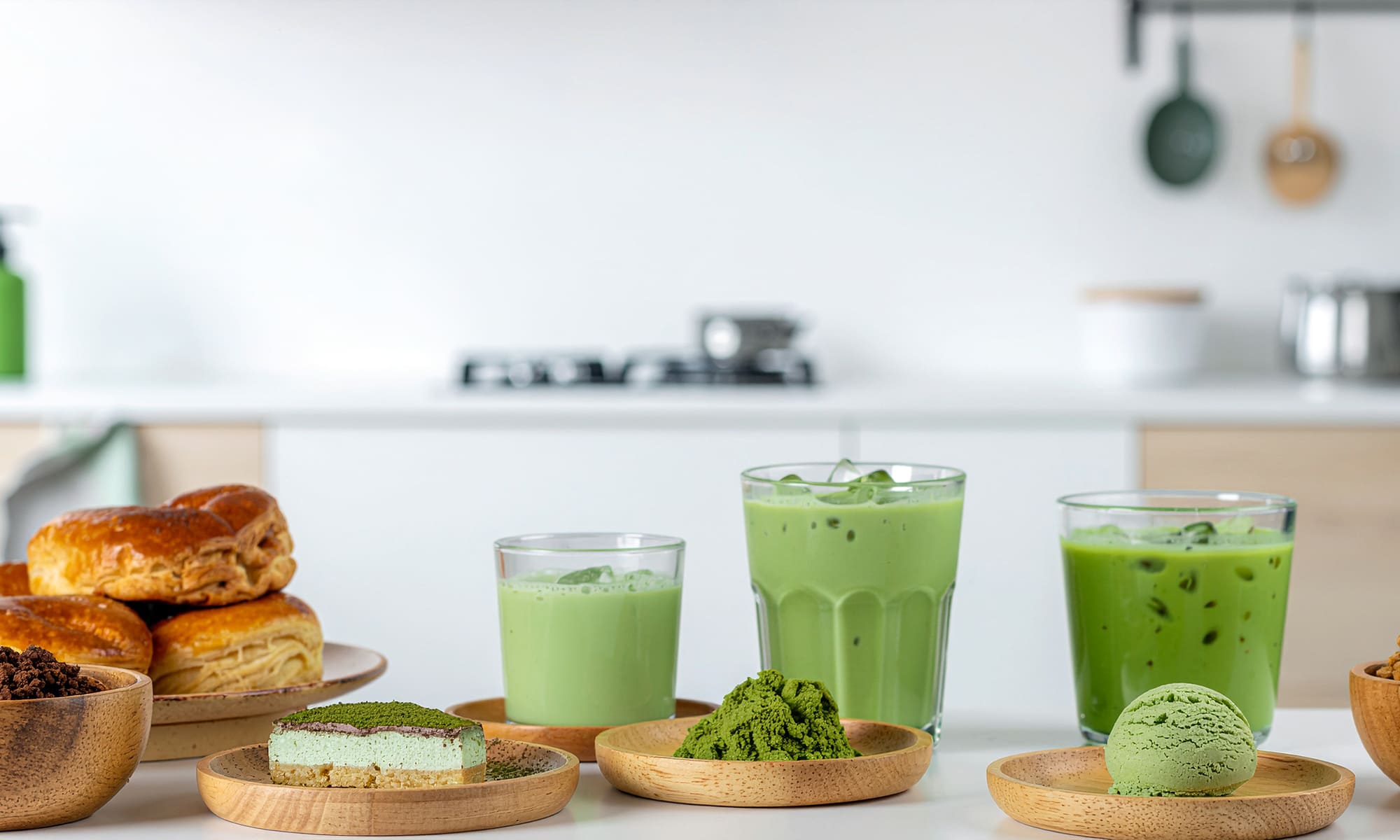
Culinary-grade tea must maintain its flavor and color throughout the production process, including heating, mixing, and storage. Some teas may degrade or change characteristics under certain conditions. Testing tea ingredients under real production conditions is essential to ensure consistent results.
Beyond the product itself, the reliability of the supplier is a crucial factor. Consistent supply, clear communication, and technical support can significantly impact your production efficiency and long-term success.
For a deeper look into supplier selection, refer to our article “How to Choose a Reliable Bulk Tea Supplier: Key Factors for B2B Buyers.”

Selecting the right culinary-grade tea is a critical step in developing high-quality food and beverage products. By considering factors such as flavor, form, color, stability, and supplier reliability, manufacturers can make informed decisions that enhance both product performance and brand value.
As the use of Japanese tea ingredients continues to expand globally, understanding these key factors will provide a strong foundation for successful product development.


Articles providing insights into Japanese green tea and topics related to it.


