
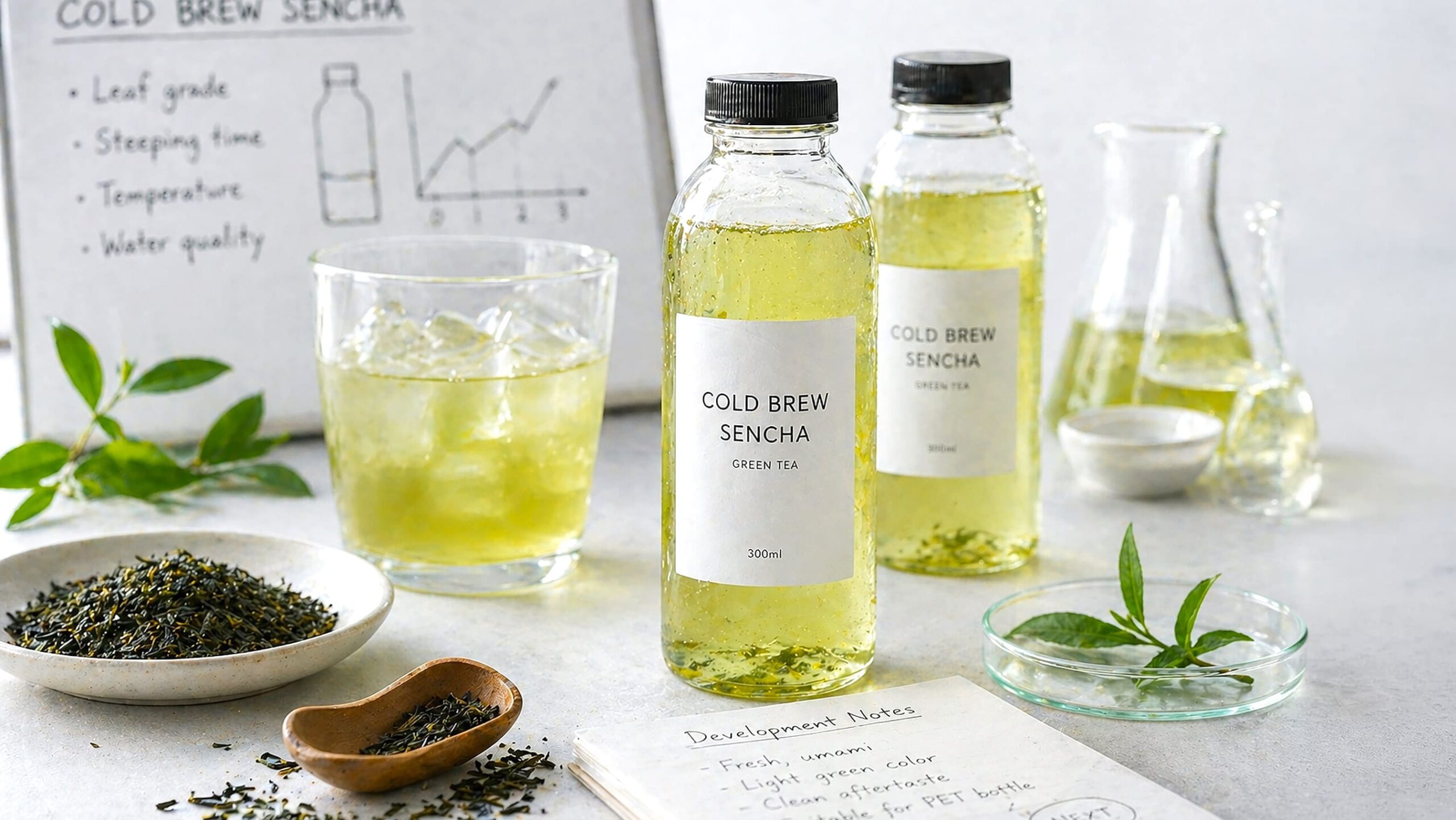
As consumer demand for healthier and more functional beverages continues to grow, cold brew tea is emerging as a promising category within the global beverage market. Among various tea types, sencha stands out as a particularly strong candidate for cold brew applications due to its refreshing taste and functional properties.
In this article, we explore why cold brew sencha presents a valuable opportunity for food and beverage manufacturers developing next-generation functional drinks.
Cold brewing brings out a smooth, clean, and less bitter flavor compared to traditional hot brewing methods. This makes cold brew sencha especially appealing for modern consumers who prefer light and refreshing beverages.
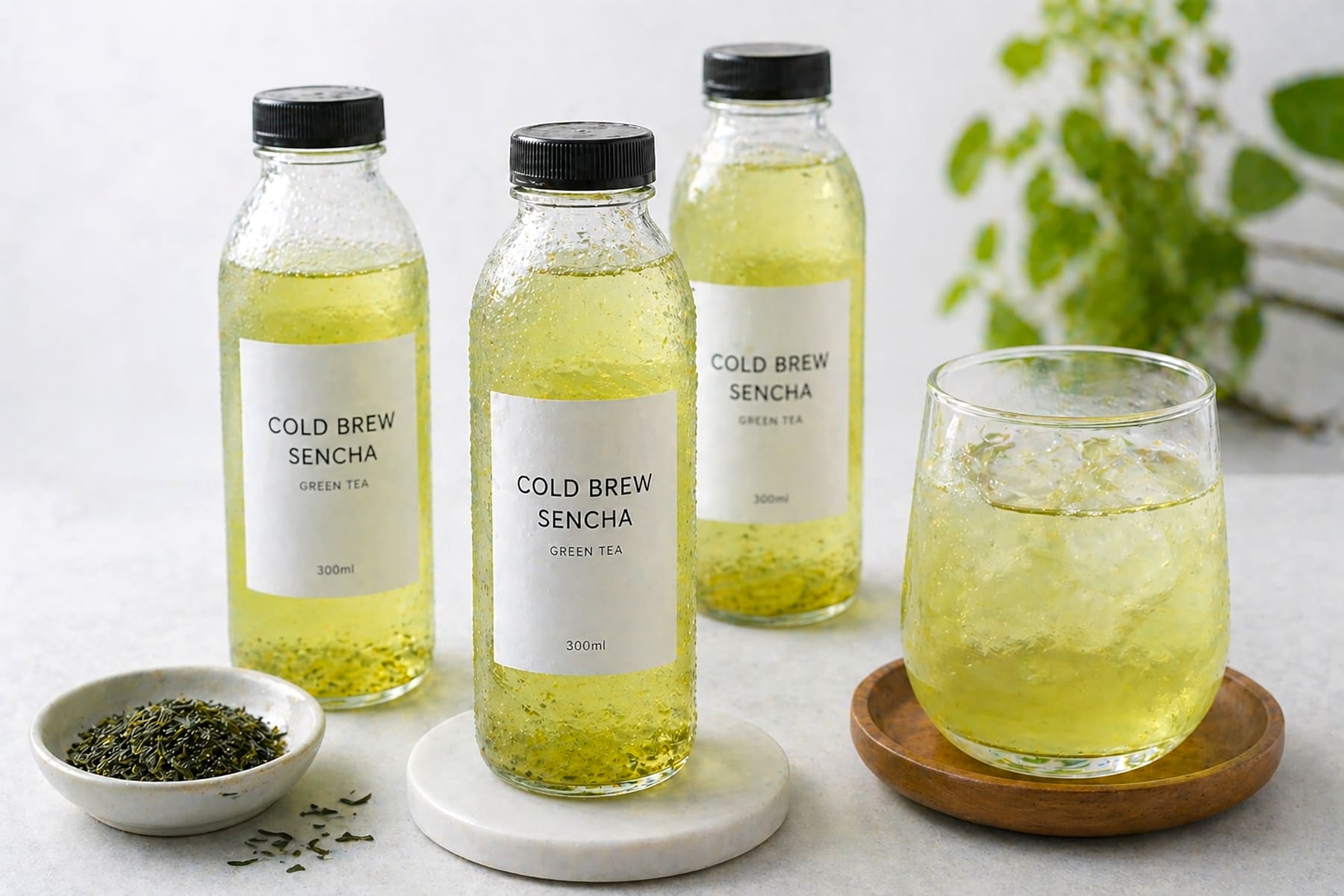
Functional beverages are one of the fastest-growing segments in the global food and beverage industry. Sencha naturally contains compounds such as catechins and antioxidants, which are often associated with health-conscious product positioning. This makes it an ideal base ingredient for beverages targeting wellness-oriented consumers.
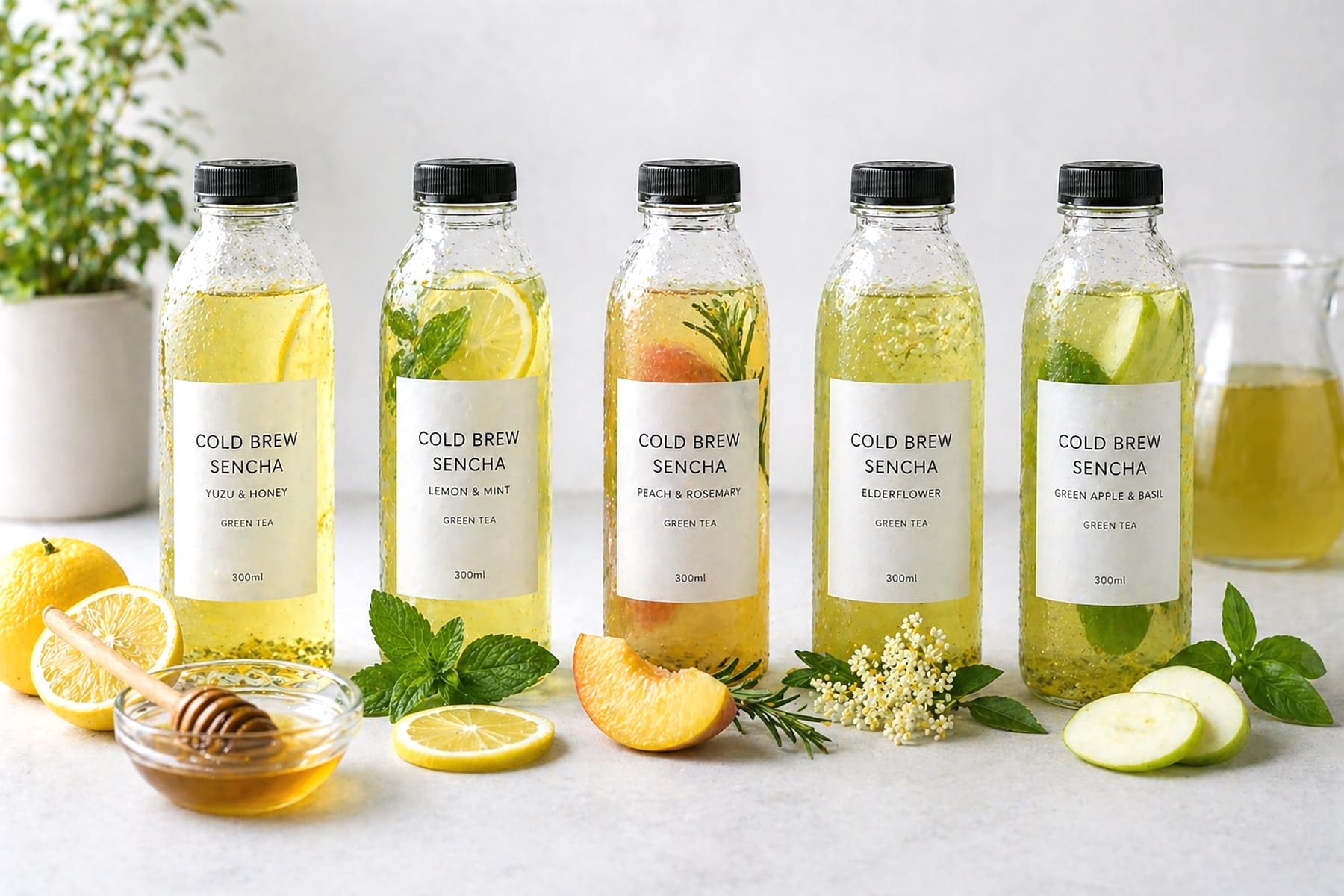
Cold brew sencha can be used in a variety of formats, including ready-to-drink (RTD) beverages, bottled teas, and blended drinks. It also pairs well with ingredients such as citrus, herbs, and light sweeteners, allowing for flexible product design.
For more insights into tea-based product development, see our article “What Food Manufacturers Should Look for in Culinary-Grade Tea.”
One of the key advantages of cold brew extraction is the reduction of bitterness and astringency. This results in a smoother taste profile that can appeal to a broader consumer base, including those who may not typically consume green tea.
The ready-to-drink (RTD) beverage market continues to expand globally, driven by convenience and health trends. Cold brew sencha fits well within this category, offering a natural and refreshing alternative to sugary drinks.
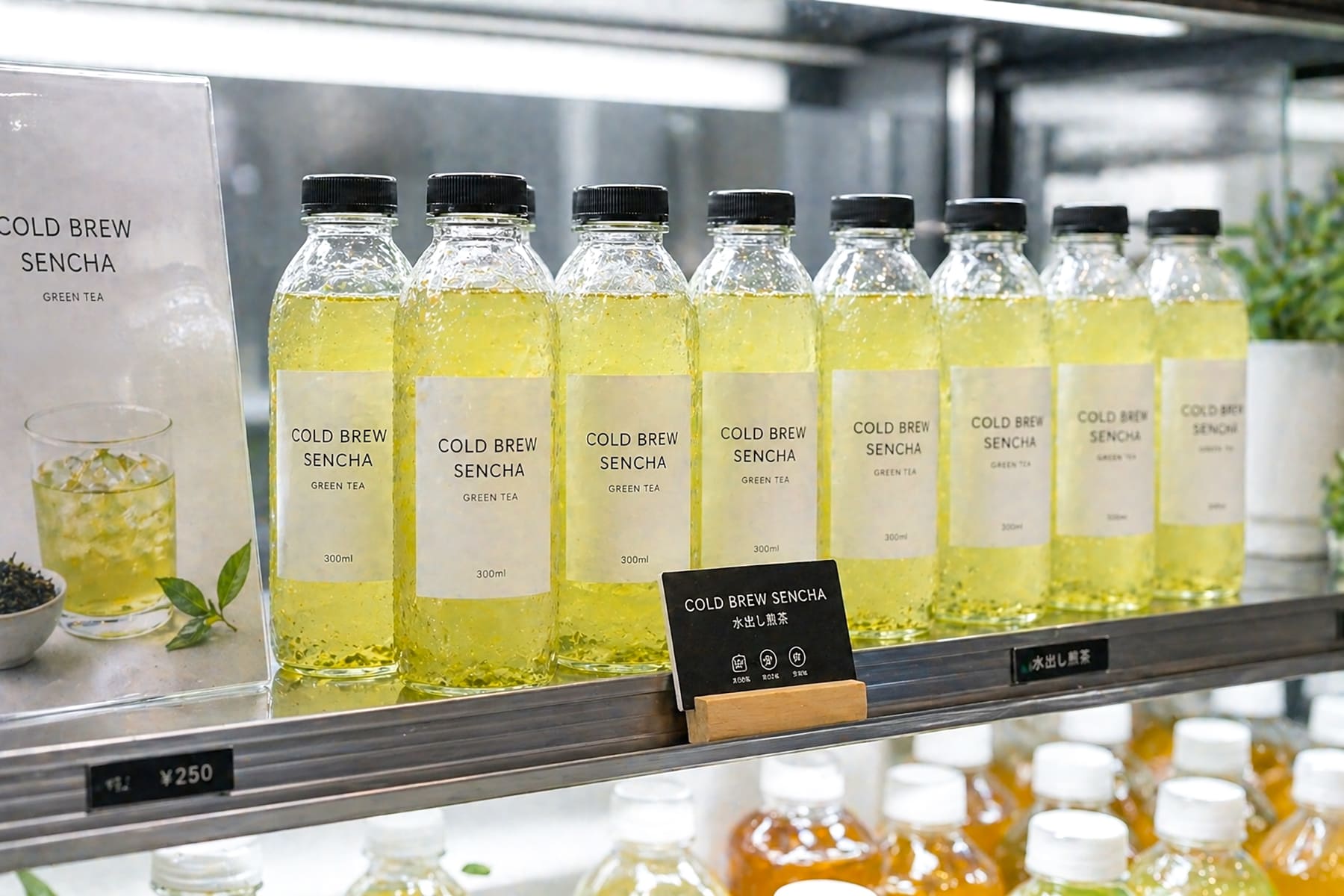
Cold brew sencha represents a compelling opportunity for food and beverage manufacturers seeking to develop innovative and health-oriented products. Its refreshing flavor, functional properties, and versatility make it well-suited for modern beverage trends.
As demand for functional and ready-to-drink beverages continues to grow, cold brew sencha is expected to play an increasingly important role in future product development.


Articles providing insights into Japanese green tea and topics related to it.


