
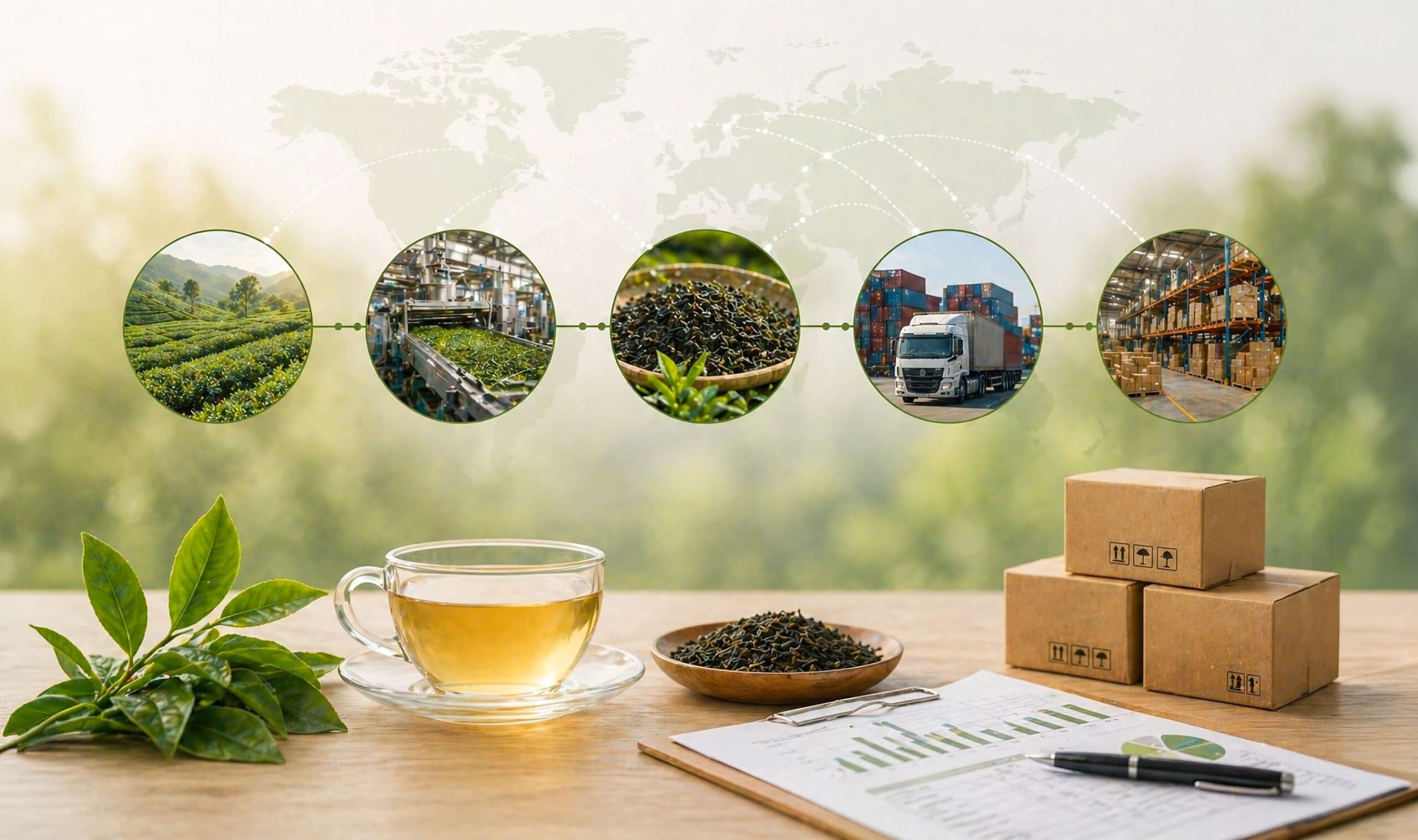
In recent years, rising raw material costs have become a significant challenge across the global food and beverage industry. The tea sector is no exception, with increasing pressure on pricing, supply stability, and procurement strategies.
As discussed in our article “Why Japanese Tea Ingredient Prices Are Rising: Market Insights for Businesses,” multiple factors are contributing to these changes, making it essential for B2B buyers to understand the broader landscape.
This article explores how rising costs are reshaping the tea supply chain and what this means for businesses sourcing tea ingredients.
Several factors are contributing to the increase in tea raw material costs, including climate conditions, labor shortages, and rising operational expenses. Unpredictable weather patterns can affect harvest yields, while labor shortages increase production costs. In addition, energy and transportation costs have risen globally, further impacting pricing.

Rising costs are not only affecting prices but also supply stability. Producers may reduce output or prioritize certain markets, leading to limited availability for some buyers. This makes it increasingly important for businesses to secure reliable supply partners and plan procurement strategies more carefully.
For guidance on selecting reliable partners, see “How to Choose a Reliable Bulk Tea Supplier: Key Factors for B2B Buyers.”
As market conditions evolve, buyers are becoming more focused on long-term partnerships rather than short-term cost savings. Consistency, transparency, and supply reliability are now key decision factors when choosing suppliers. This aligns with broader trends in food manufacturing, where stable sourcing is critical for maintaining product quality.
With rising costs, simply competing on price is no longer a sustainable strategy. Instead, businesses are focusing on product differentiation and added value. High-quality tea ingredients can justify premium positioning and help maintain margins despite increased costs.
As outlined in “9 Surprising Health Benefits of Hojicha: The Ultimate Guide to Japan’s Roasted Green Tea,” the perceived health benefits of tea ingredients can also enhance product value.
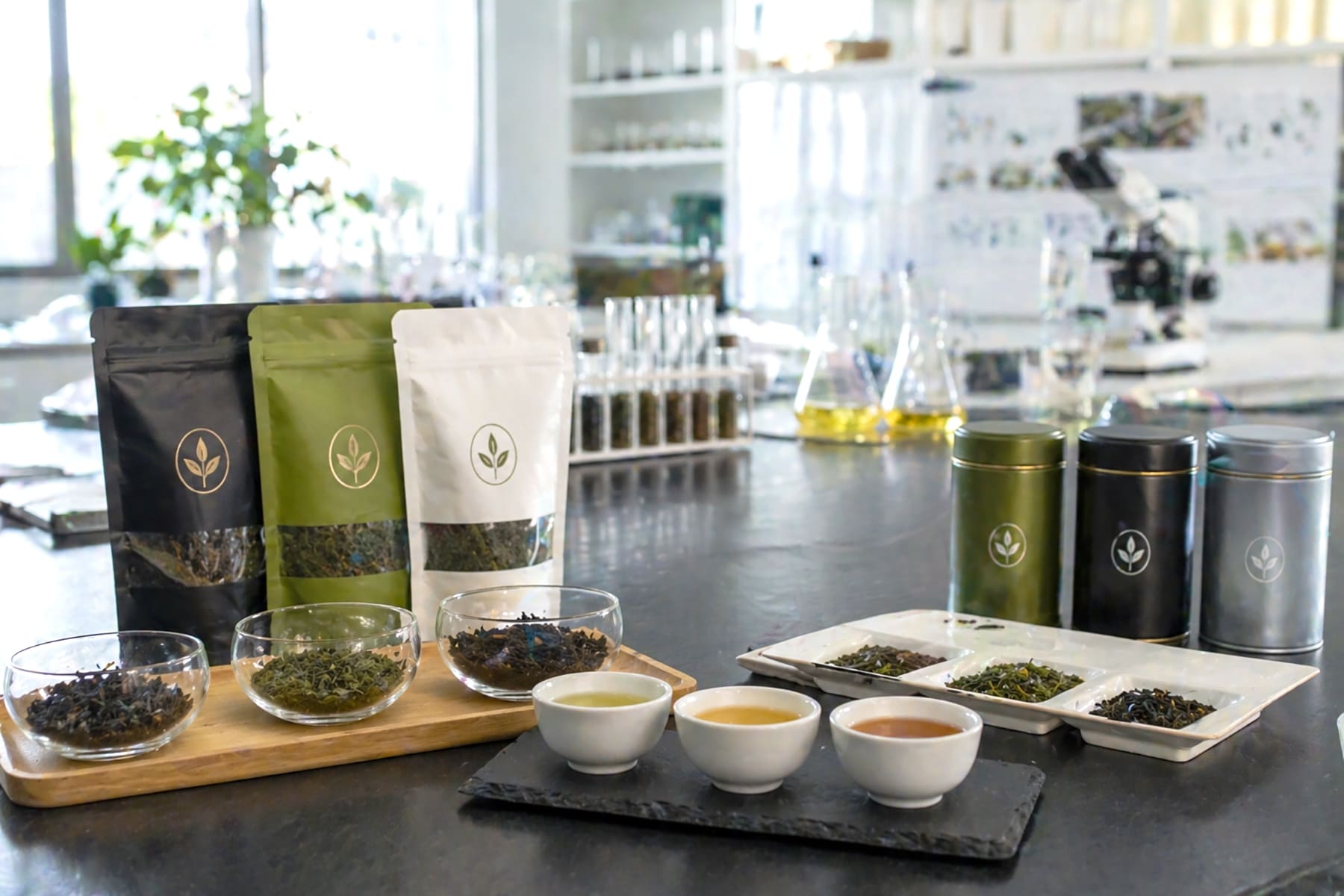
While rising costs present challenges, they also create opportunities for innovation. Businesses are exploring new product formats, applications, and positioning strategies.
For example, the growing interest in functional beverages—such as those discussed in “Why Hojicha Is Gaining Attention in the Functional Beverage Market”—is driving demand for tea-based innovation.
Similarly, low-caffeine positioning, as explored in “Low-Caffeine Teas: Why Hojicha is a Perfect Evening Drink,” is opening up new market segments.
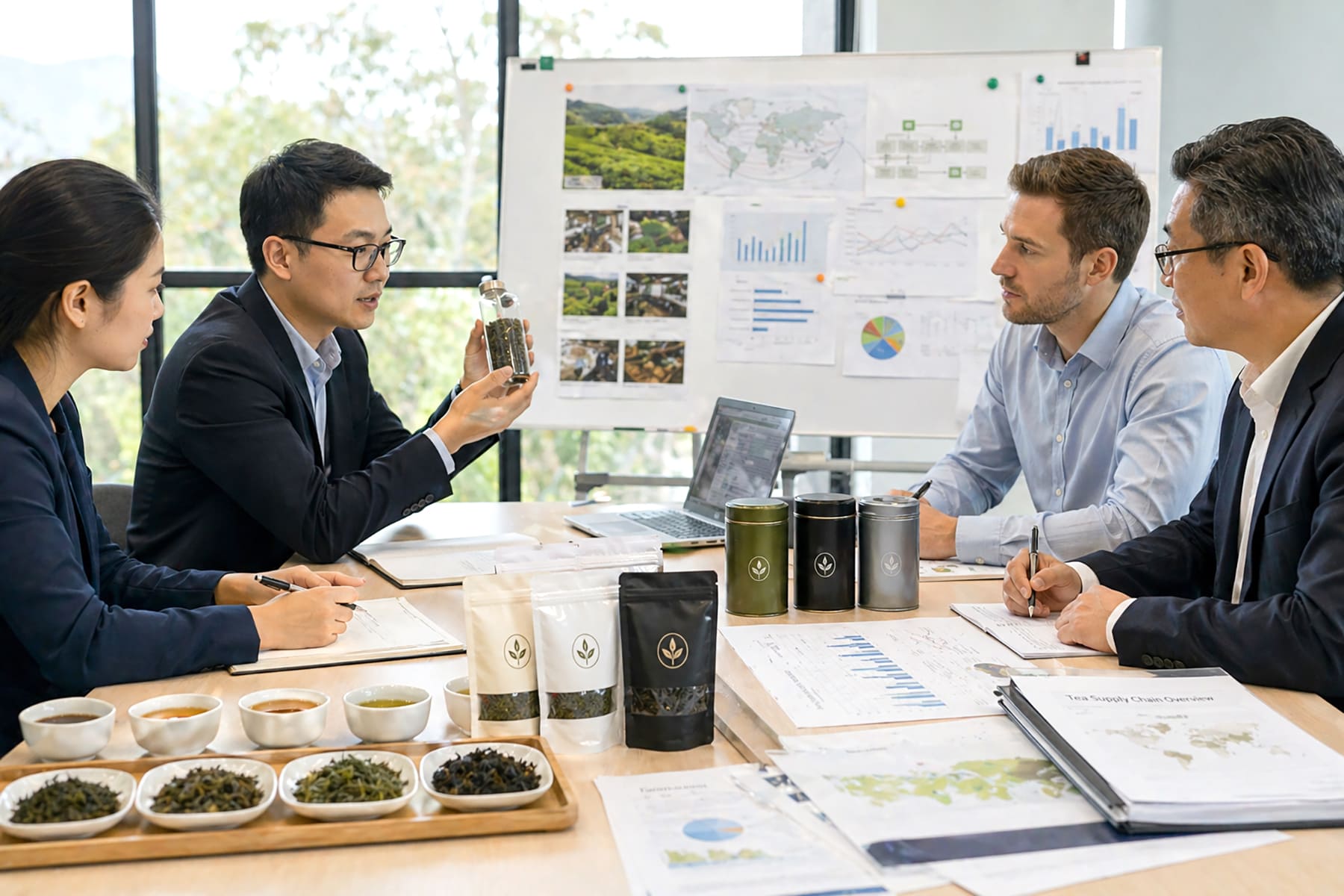
Rising raw material costs are fundamentally reshaping the global tea supply chain, affecting pricing, availability, and sourcing strategies. For B2B buyers, adapting to these changes requires a strategic approach—focusing on reliable partnerships, quality differentiation, and long-term planning.
By understanding these trends, businesses can not only manage risks but also identify new opportunities for growth and innovation.


Articles providing insights into Japanese green tea and topics related to it.


