
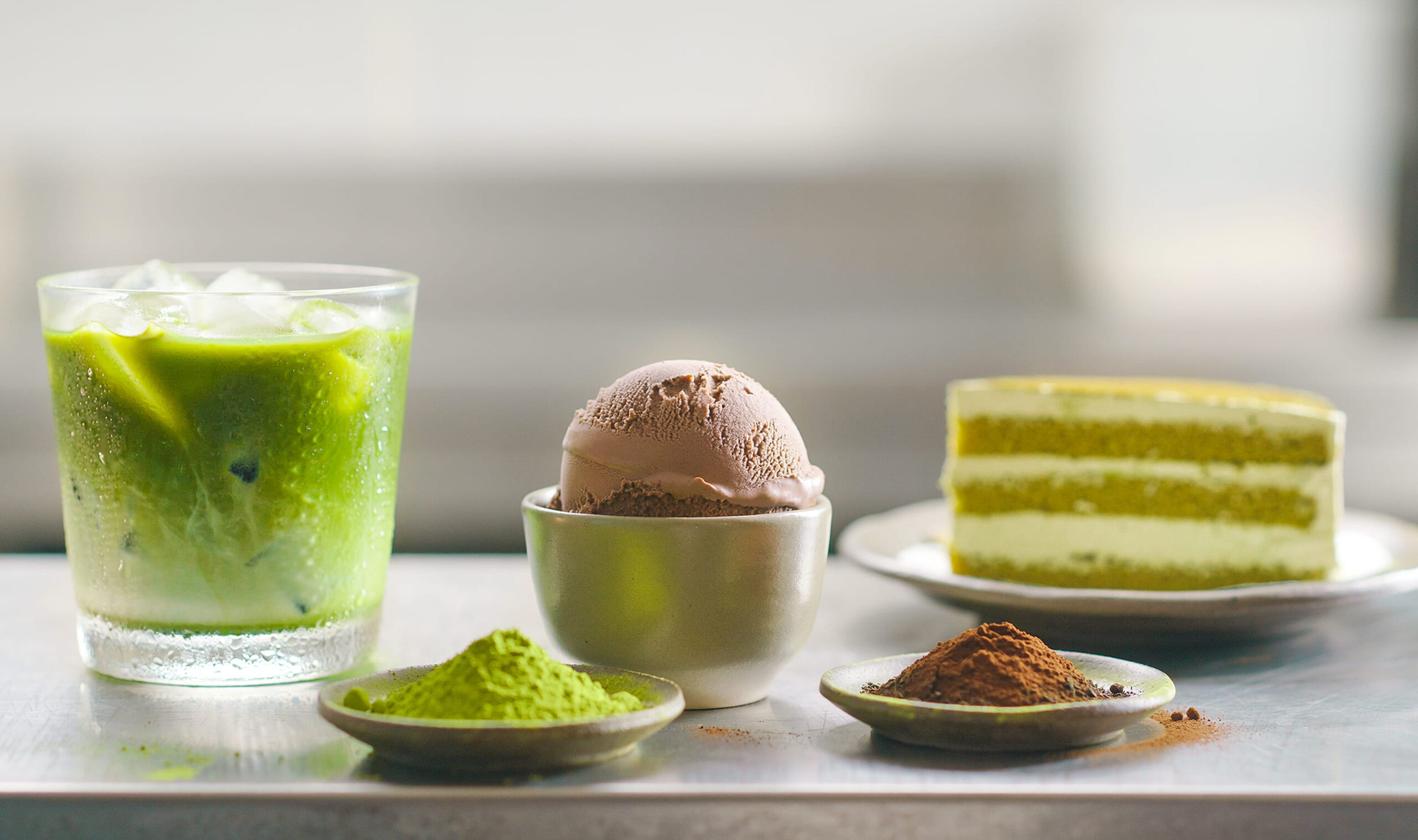
An iced matcha latte, a scoop of hojicha gelato, and a tea-flavored tiramisu offer three different ways to bring tea into an everyday café visit. Across international menus, tea can define a drink, give a familiar dessert a new flavor, or connect several products within one brand.
For café operators and dessert manufacturers, the useful question is how each application works. The examples below, drawn from official menus and brand announcements, suggest practical directions for product development: choosing a recognizable tea flavor, matching it to the format, and evaluating the ingredient in the finished recipe.
In New York, Matchaful builds its café offering around Japanese matcha, including matcha lattes and plant-based snacks. Its café page also lists pastries and seasonal soft serve, with soft serve available at selected locations. Tea is part of a broader café experience that includes both drinks and food.
A useful development approach is to begin with one dependable matcha drink, then test a complementary dessert. Set a separate flavor target for each: the intensity that works in a latte may need adjustment in cream or cake. A shared tea theme can connect the menu without requiring an identical formulation across products.
London’s JENKI provides an example of adapting tea to familiar seasonal flavors. In a published winter-menu announcement, the brand featured cinnamon bun matcha and hojicha lattes, alongside a matcha drink combining winter berries with white chocolate cold foam. These are documented seasonal examples, rather than a statement of today’s availability.
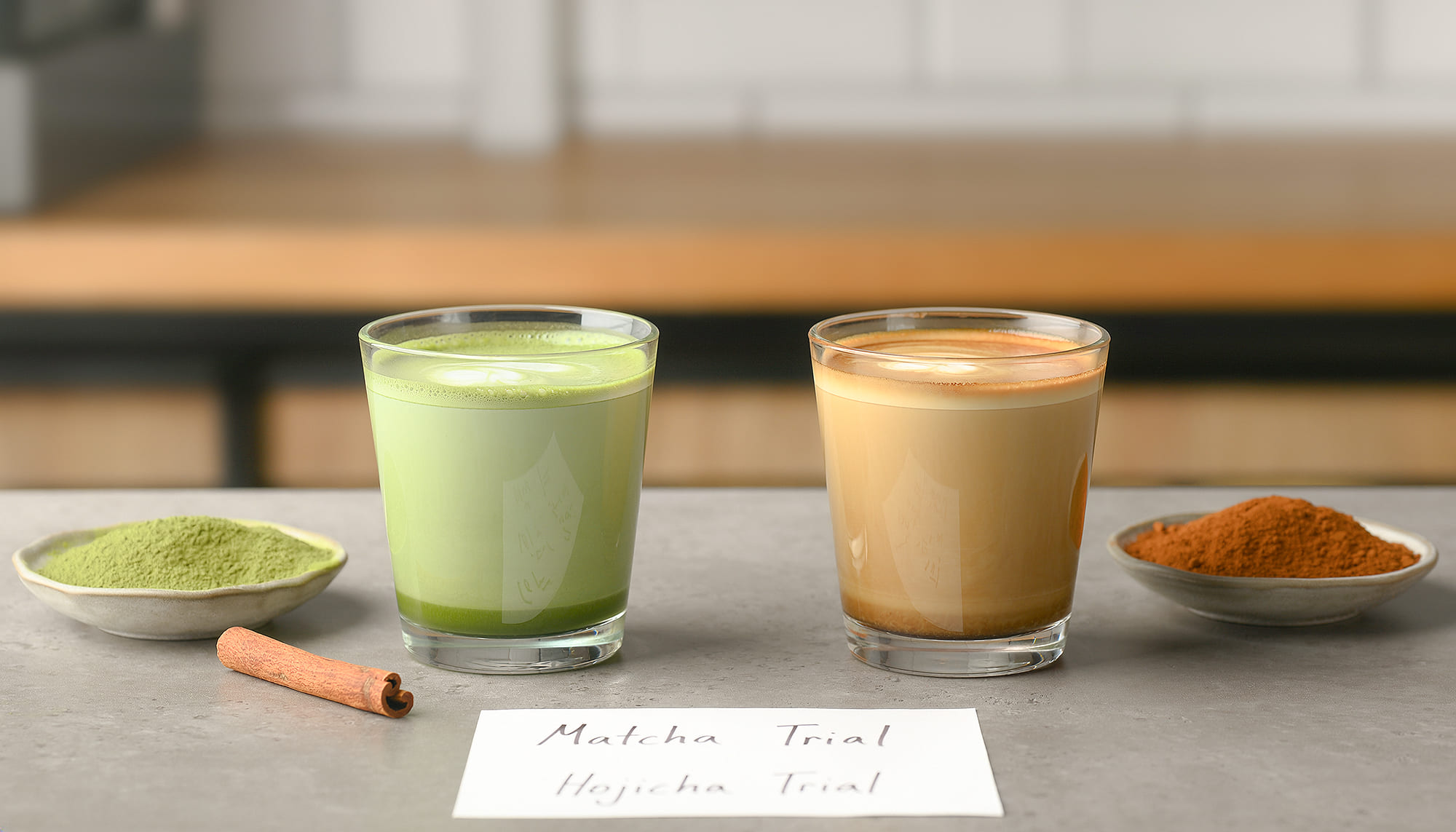
For developers, this suggests testing one seasonal flavor with more than one tea base. Keep the first trial simple, then compare sweetness, aroma, and the tea’s presence after milk and ice are added. Matcha and hojicha should each have their own recipe target; changing the tea alone may not produce the same balance.
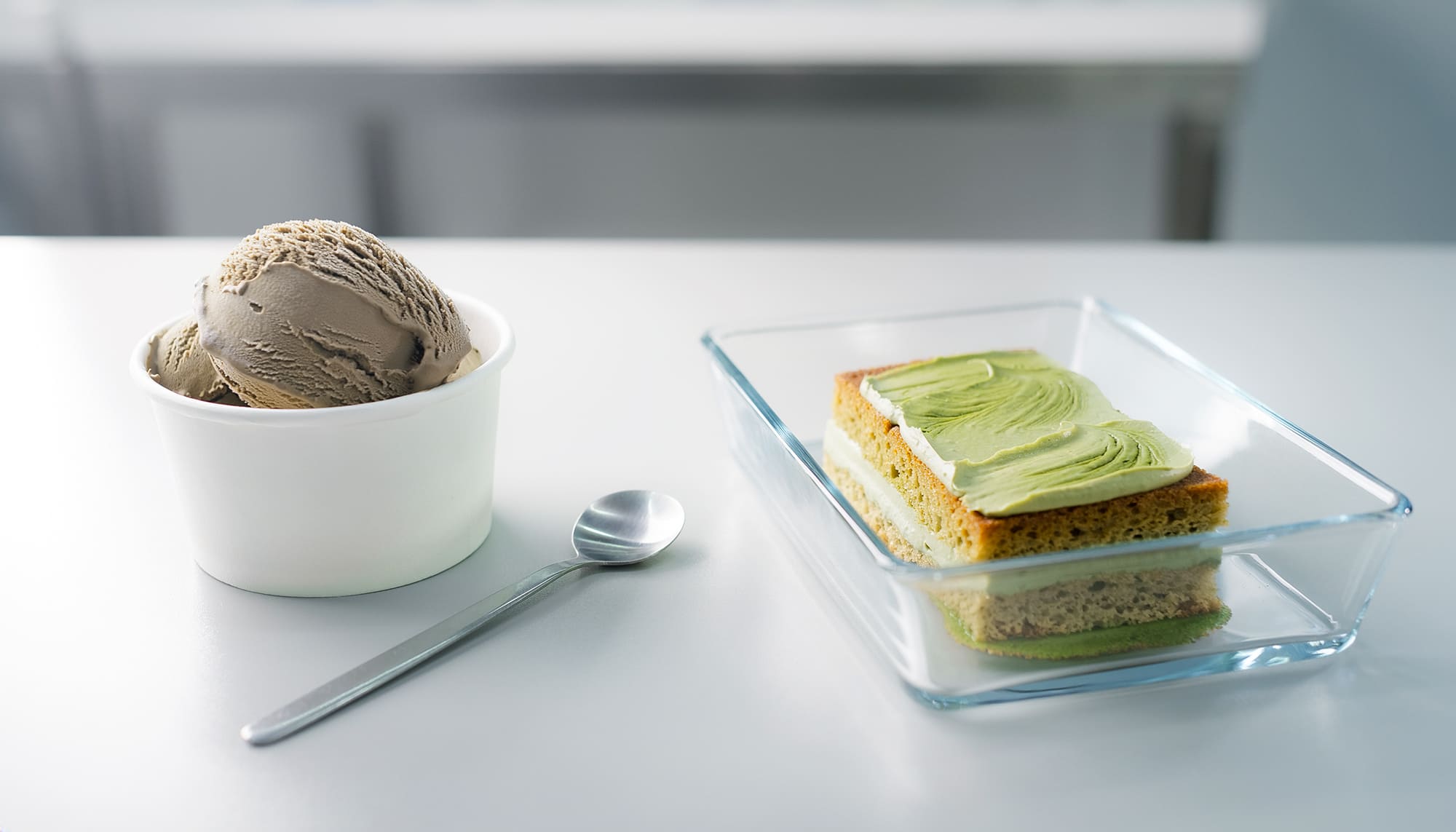
Singapore’s Birds of Paradise offers Sea-Salt Hojicha gelato, combining roasted green tea with Himalayan pink salt. The product illustrates a different role for tea: providing the central flavor of a frozen dessert, with a small supporting ingredient shaping the overall taste.
For a hojicha ice cream or gelato trial, assess the roasted aroma, sweetness, and aftertaste at the intended serving temperature. Compare the tea in the actual dairy or plant-based base before deciding on the dose. A useful next step is to explore complementary ingredients through our article on flavor pairing strategies for hojicha in food and beverage applications.
In Canberra, Ujin Matcha House lists matcha tiramisu, Thai tea tiramisu, and mango matcha cake on its dessert menu. It also offers regular and stronger matcha soft serve options. These examples show two ways to structure a range: varying the dessert format and offering different levels of tea intensity.
For dessert brands, an established format such as tiramisu can provide a clear starting point for tea development. Decide where the tea should appear: in the cream, sponge, syrup, or finishing layer. Then test the complete dessert after its normal storage period, checking whether the tea remains distinct alongside fruit, dairy, and other ingredients.
Tea menus also extend well beyond matcha and hojicha. CHAGEE’s official Thailand menu includes Jasmine Green Milk Tea, Tie Guan Yin Milk Tea, and Osmanthus Oolong Milk Tea. The tea variety or aromatic pairing is clearly named, giving each drink a more specific identity than a general milk tea description.
The development lesson is to define the tea character before adding complexity. When comparing leaf-based milk teas, record the brewing method and evaluate the finished drink with the intended milk, sweetness, and ice. This makes it easier to judge whether the distinction between tea varieties remains noticeable in service.
Taken together, these examples suggest that tea can support several kinds of product development. A café may build a menu around matcha, refresh its drinks seasonally, or introduce another tea variety. A dessert manufacturer may use tea within an established recipe or develop a stronger flavor option. The right choice depends on the customer, the product, and the production process.
Start the ingredient brief with the finished product, target flavor and color, preferred tea format, and expected volume. For powder trials, check dispersion and mouthfeel; for leaf infusions, document brewing and filtration. Our comparison of hojicha powder and loose leaf for product development explains how the format changes the development process.
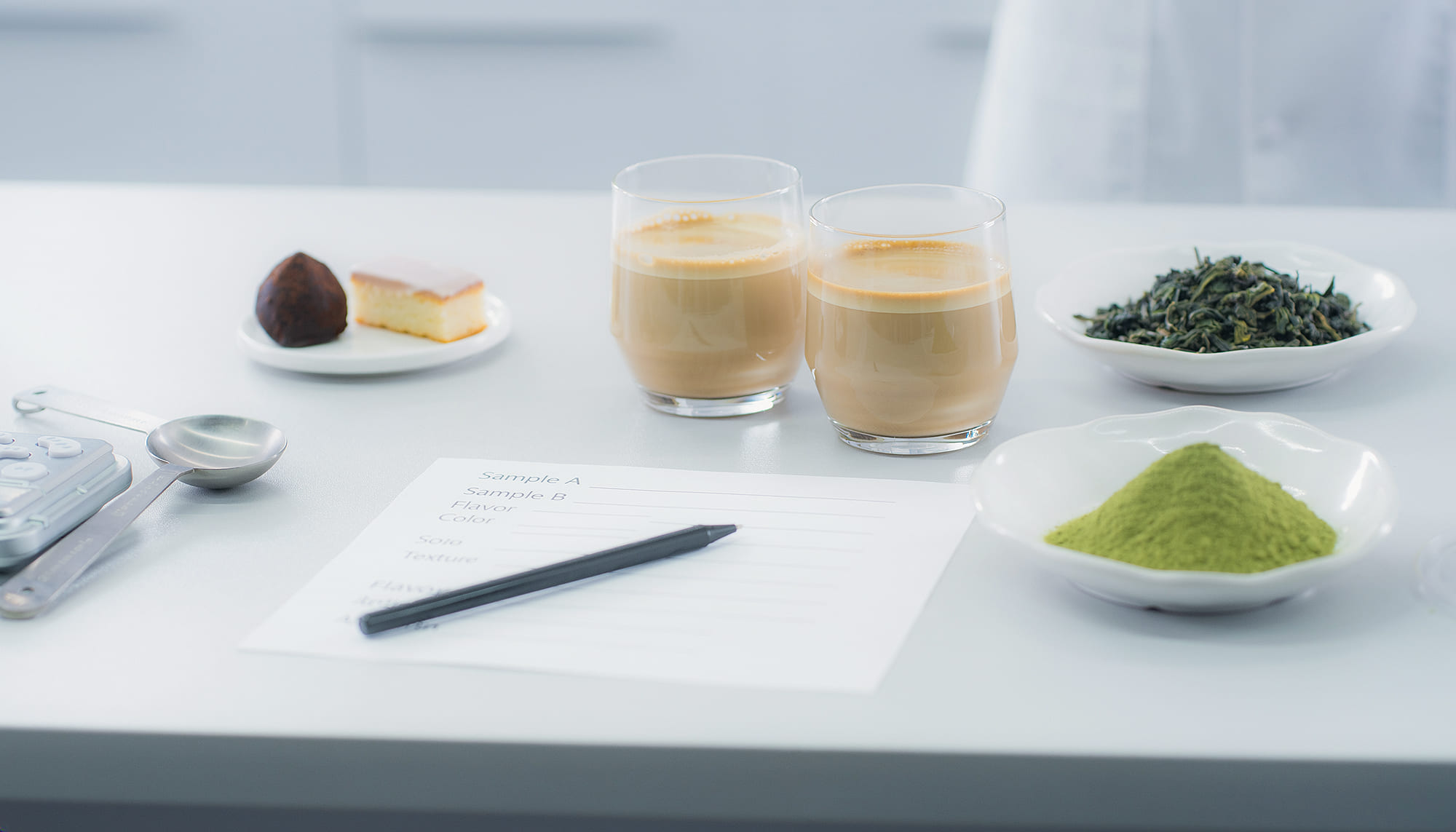
Compare samples at the dose needed to achieve the target result, and calculate tea cost per serving from that dose. Before expanding production, agree on specifications, acceptable lot variation, lead times, and repeat-order volumes. For a structured approach to trials, see How to Evaluate Japanese Tea Samples: A Guide for B2B Buyers.
A promising tea concept becomes useful when it can be made consistently at the required cost and scale. Whether you are developing a matcha latte, a hojicha dessert, or another tea-based product, begin with a clear application brief and evaluate samples in the recipe you plan to produce.
Contact Kametani to discuss bulk tea ingredients for your café or dessert project. Share your intended application, destination market, target flavor, preferred format, and expected volume so we can discuss suitable ingredient options and supply requirements.


Articles providing insights into Japanese green tea and topics related to it.


